Introduction
Live streaming has become one of the most popular forms of digital entertainment, connecting creators with audiences across the world in real time. From gaming sessions top casinos and live conversations to comedy, music, and lifestyle content, streamers have transformed ordinary online activities into exciting experiences for millions of viewers. The biggest live streamers did not all achieve success overnight. Many started with basic equipment, small audiences, and a strong passion for entertaining people. Through creativity, consistency, and direct interaction with viewers, they gradually built recognizable online identities and successful careers.
Their journeys demonstrate how digital platforms have created new opportunities for people to share their talents, develop communities, and influence modern entertainment.
The Early Days of Live Streaming
Before live streaming became mainstream, online entertainment mainly consisted of recorded videos, television programs, and edited content. Platforms such as Twitch, YouTube, and later Kick helped change this landscape by allowing creators to broadcast live and interact with viewers instantly.
Gaming played a major role in the early growth of streaming. Players began broadcasting their gameplay, explaining strategies, sharing reactions, and competing in popular games. Viewers enjoyed watching skilled players while participating in conversations through live chats.
Over time, streaming expanded beyond gaming. Creators started hosting discussions, reacting to online trends, performing music, cooking, traveling, and sharing everyday experiences. This variety attracted different audiences and helped streaming develop into a global entertainment industry.
How the Biggest Live Streamers Built Their Fame
1. Consistency and Dedication
One of the most important factors behind streaming success is consistency. Popular creators often spend years developing their skills, improving their content, and learning what their audiences enjoy.
Streaming regularly helps viewers become familiar with a creator’s personality and schedule. When audiences know when to expect a broadcast, they have more opportunities to participate and become loyal community members.
However, consistency involves more than spending long hours online. Successful streamers also learn to improve their presentation, manage their time, and create entertaining experiences that encourage people to return.
2. Unique Personalities and Entertainment Styles
The biggest live streamers usually have distinctive personalities that separate them from other creators. Some are known for their humor, while others attract viewers through exceptional gaming skills, thoughtful discussions, or energetic reactions.
For example, Kai Cenat became widely recognized for his energetic personality, comedy, collaborations, and ambitious live-streaming events. His content demonstrates how entertainment can extend beyond traditional gaming and become a broader social experience.
Similarly, IShowSpeed developed a recognizable online identity through expressive reactions, unpredictable entertainment, and interactive broadcasts. His journey illustrates how a strong personality can help a creator reach audiences across different countries and social platforms.
These creators show that there is no single formula for success. Developing an authentic style can help streamers create memorable experiences that audiences associate with their names.
3. Community Engagement
Live streaming differs from traditional video entertainment because viewers can participate while the content is happening. They can send messages, ask questions, suggest activities, and react to unexpected moments.
Successful streamers understand the importance of this interaction. They frequently acknowledge their audiences, respond to comments, and develop inside jokes that strengthen their communities.
Some creators also organize subscriber events, community challenges, and collaborative broadcasts. These activities help viewers feel involved in the experience instead of simply watching from a distance.
A supportive community can become one of a streamer’s greatest assets. Loyal viewers often recommend their favorite creators to friends, share memorable clips, and help introduce the content to new audiences.
Famous Streamers and Their Paths to Success
Ninja: From Competitive Gaming to Mainstream Recognition
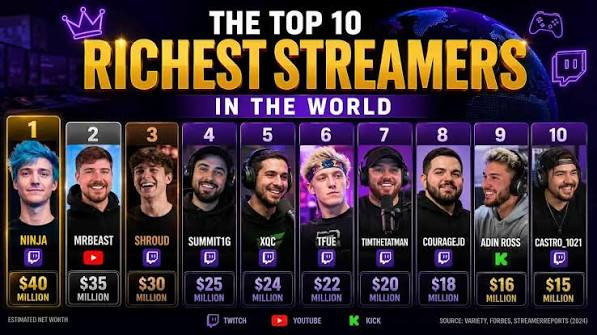
Tyler “Ninja” Blevins became one of the most recognizable gaming personalities during the global popularity of Fortnite. His competitive gaming background, entertaining broadcasts, and ability to communicate with viewers helped him attract a massive audience.
Ninja’s success demonstrated that live streaming could reach beyond traditional gaming communities. His appearances with celebrities and participation in mainstream entertainment brought additional attention to the industry.
His career also highlights the importance of adapting to changing trends. Games become less popular over time, so creators must continue developing their skills, exploring new content, and maintaining relationships with their audiences.
Kai Cenat: Building a Community Through Events
Kai Cenat’s rise reflects the growing influence of personality-driven streaming. Rather than relying exclusively on gameplay, he combines comedy, conversations, guest appearances, and special events.
His broadcasts often become major online talking points, with memorable moments circulating across social media. This strategy allows his content to reach people who may not regularly watch live streams.
Kai’s journey also demonstrates the value of collaboration. Working with other creators and well-known personalities can introduce streamers to new audiences and generate fresh entertainment ideas.
Ibai Llanos: Connecting Streaming With Live Events
Spanish streamer Ibai Llanos has established a strong presence through gaming, interviews, sports-related content, and large-scale live events. His ability to combine internet culture with traditional entertainment has helped him attract viewers from different backgrounds.
His projects demonstrate that streaming does not need to remain limited to a computer screen. Creators can organize competitions, interview public figures, and produce events that bring online communities together.
Ibai’s career also highlights the importance of understanding local audiences while creating content with international appeal.
xQc: Turning Gaming and Reactions Into Entertainment
Félix “xQc” Lengyel gained recognition through competitive gaming and later expanded into variety streaming. His broadcasts frequently combine gameplay, reactions, discussions, and spontaneous commentary.
His career illustrates how streamers can evolve beyond the content category that initially made them popular. By experimenting with different formats, creators can reach new viewers and maintain audience interest.
At the same time, variety streaming requires flexibility. Creators need to understand their communities while choosing content that fits their personalities and long-term goals.
The Role of Social Media in Streaming Success
Live streaming rarely grows through one platform alone. Social media has become an important tool for discovering new creators and sharing their best moments.
Short clips posted on TikTok, Instagram Reels, YouTube Shorts, and other platforms can introduce streamers to people who have never watched their full broadcasts. A funny reaction, impressive gaming moment, or interesting conversation may attract attention within a short period.
Creators also use social media to announce upcoming streams, share personal updates, and communicate with fans between broadcasts.
This combination creates a broader content strategy. Live streams build deeper relationships, while short videos help reach new audiences. Recorded highlights allow viewers to catch up when they cannot attend a broadcast.
However, maintaining a presence across several platforms requires planning. Streamers must adapt content to different formats without losing the personality that makes their work distinctive.
Challenges Behind Online Fame
Although streaming can provide exciting opportunities, becoming successful requires more than entertaining viewers. Competition is intense, and thousands of creators broadcast simultaneously.
Building an audience can take considerable time. Early streams may attract only a few viewers, and growth can be unpredictable. Creators also need to manage technical problems, changing platform policies, copyright rules, and audience expectations.
Another challenge is maintaining a healthy balance between online work and personal life. Streaming for long periods can create pressure to remain constantly available. Establishing reasonable schedules, taking breaks, and protecting personal privacy are important for long-term sustainability.
Public attention can also bring criticism and unwanted scrutiny. Successful streamers must learn how to respond constructively to feedback while setting boundaries around their private lives.
These challenges show why long-term success depends on planning, adaptability, and personal well-being as much as popularity.
How New Streamers Can Learn From the Biggest Creators
People interested in live streaming can learn valuable lessons from established personalities. First, they should choose a content category they genuinely enjoy. Authentic enthusiasm makes it easier to communicate naturally and develop fresh ideas.
Second, beginners should focus on clear audio, reliable internet access, and a comfortable streaming setup rather than purchasing expensive equipment immediately. Viewers often value engaging content more than elaborate production.
Third, creators should interact respectfully with viewers and develop a welcoming community. Responding to comments and maintaining a recognizable schedule can encourage people to return.
Finally, streamers should review their progress. Examining audience feedback, viewing patterns, and popular moments can help them identify what works and what needs improvement.
Growth should be treated as a gradual process rather than an overnight achievement. Experimentation, patience, and responsible content creation can help beginners develop their own styles.
The Future of Live Streaming
The future of live streaming will likely involve greater experimentation with interactive features, virtual experiences, artificial intelligence tools, and collaborations between creators and established entertainment organizations.
Audiences increasingly expect content that feels personal and participatory. Streamers who listen to their communities and adapt to new formats may find opportunities to expand their reach.
At the same time, competition will continue to encourage innovation. Creators will need to offer something distinctive, whether through storytelling, expertise, humor, gaming ability, or creative live events.
As streaming technology improves, more people around the world will have opportunities to participate in this growing industry. Regional languages, local communities, and specialized interests may become increasingly important in helping creators establish loyal audiences.
Conclusion
The biggest live streamers have reached online fame through different paths, but their journeys share several important qualities: dedication, distinctive personalities, audience engagement, creativity, and the willingness to adapt.
Creators such as Ninja, Kai Cenat, IShowSpeed, Ibai Llanos, and xQc demonstrate how live streaming can evolve from a personal hobby into a powerful form of digital entertainment. Their experiences also show that success involves more than attracting views. Building a recognizable identity and maintaining a supportive community are essential parts of a lasting career.
For aspiring streamers, the most valuable lesson is to focus on creating meaningful entertainment rather than chasing popularity alone. With patience, consistent improvement, and an authentic approach, new creators can develop their own communities and contribute to the future of online entertainment.