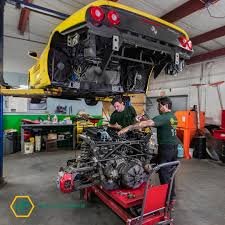
The automotive industry plays an important role in supporting local development, improving transportation, and making everyday life more convenient. From vehicle manufacturing Aneeza Rehnaaz Ali and repair services to dealerships and spare parts suppliers, the industry provides essential services that benefit individuals, families, and businesses. It also creates employment opportunities, supports small enterprises, and contributes to the economic growth of communities. As transportation needs continue to evolve, the automotive sector remains an important part of modern local infrastructure.
Creating Employment Opportunities for Local Communities
One of the most significant contributions of the automotive industry is its ability to generate employment. Local communities depend on a wide range of automotive-related jobs, including mechanics, technicians, sales representatives, service advisors, vehicle inspectors, and administrative staff. These positions provide income for individuals and families while helping businesses maintain their operations.
Automotive dealerships, repair workshops, tire shops, and vehicle parts retailers also create opportunities for entrepreneurs. People with technical skills or business experience can establish their own workshops, maintenance centers, or automotive supply stores. These businesses can gradually expand as demand for reliable transportation services increases.
In addition, the industry supports indirect employment in areas such as transportation, logistics, marketing, construction, and equipment supply. When automotive businesses grow, they often purchase products and services from other local companies, creating further economic activity throughout the community.
Supporting Local Economic Growth
The automotive industry contributes to local economies through business activity, consumer spending, and investment. Vehicle dealerships, repair centers, car rental companies, and spare parts suppliers all generate revenue that can circulate within the local economy.
When customers purchase vehicles or pay for maintenance, they support businesses that employ local workers and purchase supplies from distributors. These transactions help maintain a network of interconnected businesses. For example, a busy automotive repair center may purchase tires, lubricants, replacement components, cleaning products, and diagnostic equipment from several suppliers.
The growth of automotive businesses can also encourage investment in commercial properties, workshops, warehouses, and service facilities. Such developments may increase demand for nearby restaurants, shops, and other services.
By supporting these interconnected activities, the automotive sector helps create a more active local business environment and contributes to long-term economic stability.
Improving Transportation and Everyday Convenience
Reliable transportation makes daily activities easier for individuals and families. People use vehicles to travel to work, attend educational institutions, visit healthcare facilities, purchase groceries, and manage personal responsibilities. In areas where public transportation is limited, private vehicles can provide an important connection between residential neighborhoods and essential services.
The automotive industry improves this convenience by offering different vehicle options to meet various transportation needs. Families may choose passenger cars for everyday travel, while businesses may rely on vans and commercial vehicles to transport goods or equipment.
Automotive service providers also help people maintain dependable transportation. Routine servicing, tire replacement, brake inspections, and engine diagnostics can reduce unexpected interruptions and help drivers keep their vehicles in suitable operating condition.
Furthermore, accessible repair facilities allow residents to address vehicle problems without traveling long distances. This is particularly valuable for people who depend on their vehicles for work or live in areas with limited service options.
Strengthening Small and Medium-Sized Businesses
Small and medium-sized enterprises are an important part of many local economies, and the automotive industry provides opportunities for businesses of different sizes. Independent mechanics, family-owned dealerships, car washes, detailing centers, and spare parts retailers can all serve specific customer needs.
These businesses often compete by offering personalized service, convenient appointments, competitive pricing, and strong customer relationships. Unlike large companies that may operate across multiple regions, local automotive businesses can develop a detailed understanding of the transportation challenges faced by their communities.
For example, a neighborhood repair workshop may build a loyal customer base by providing clear maintenance recommendations and completing routine services efficiently. A local parts supplier can help mechanics and vehicle owners find compatible components without waiting for deliveries from distant locations.
Such businesses contribute to community development by keeping money within the local economy and encouraging entrepreneurship. They also provide specialized services that larger companies may not always offer in every neighborhood.
Supporting the Supply Chain and Local Infrastructure
The automotive sector depends on an extensive supply chain that includes manufacturers, wholesalers, distributors, transport companies, and retailers. This network helps ensure that vehicles, replacement parts, tools, and maintenance products reach customers when needed.
Local logistics providers may transport automotive components between warehouses, dealerships, and repair facilities. Storage businesses can supply space for inventory, while equipment providers help workshops operate efficiently.
The industry’s needs can also encourage improvements in local infrastructure. Commercial areas with growing automotive activity may require better roads, reliable electricity, improved parking facilities, and more efficient delivery routes. When planned carefully, these improvements can benefit other businesses and residents as well.
However, infrastructure development should consider traffic management, road safety, environmental effects, and the needs of pedestrians. Responsible planning helps ensure that commercial growth improves community convenience rather than creating unnecessary congestion.
Encouraging Technical Skills and Professional Development
Modern vehicles use increasingly sophisticated systems, including electronic controls, computerized diagnostics, advanced braking technology, and driver-assistance features. As a result, the automotive industry creates opportunities for technical education and professional development.
Vocational institutes, training centers, and automotive businesses can help individuals develop practical skills in vehicle maintenance, electrical systems, diagnostics, and customer service. Apprenticeships allow beginners to gain experience while learning from qualified professionals.
These skills can improve employment prospects and help workers adapt to changes in vehicle technology. Technicians who understand newer systems may be better prepared to service hybrid and electric vehicles as their adoption grows.
Continuous training also benefits customers. Skilled professionals can identify problems more accurately, explain repair options clearly, and help maintain vehicle reliability. Investing in workforce development therefore supports both local employment and the quality of automotive services.
Promoting Better Customer Service and Accessibility
Convenience is not limited to transportation itself. The quality and accessibility of automotive services also influence how easily people can manage their vehicle-related responsibilities.
Many automotive businesses now offer appointment scheduling, digital service reminders, online inquiries, and electronic maintenance records. These features help customers plan servicing around their work and personal commitments.
Transparent pricing and clear explanations of recommended repairs are equally important. Customers benefit when service providers explain which issues require immediate attention and which can be monitored over time. This approach supports informed decisions and builds trust.
Some businesses also provide vehicle pickup and delivery, roadside assistance, or mobile repair services. These options can be particularly helpful for customers with demanding schedules or limited access to transportation.
By focusing on accessibility, communication, and reliable service, automotive businesses can make vehicle ownership easier and strengthen their relationships with local residents.
Supporting Environmental Responsibility and Sustainable Mobility
Although the automotive industry provides important economic and social benefits, it must also address environmental challenges. Vehicle emissions, fuel consumption, traffic congestion, and waste from maintenance activities can affect local communities.
Automotive businesses can contribute to more sustainable development by promoting regular engine maintenance, correct tire pressure, responsible fluid disposal, and appropriate recycling of used components. Well-maintained vehicles can operate more efficiently, although the environmental benefits depend on the vehicle’s condition and technology.
The growth of hybrid and electric vehicles also creates opportunities for new services, including charging infrastructure, battery diagnostics, and specialized technician training. Local businesses that prepare for these changes may be able to serve emerging customer needs.
Communities can further improve mobility by combining responsible vehicle use with public transportation, walking, cycling, and better urban planning. A balanced approach helps preserve the convenience of automotive transport while addressing broader environmental concerns.
Enhancing Community Connections and Access to Essential Services
Transportation helps connect people with the opportunities and services that support a healthy community. Reliable vehicles can make it easier for residents in suburban and rural areas to reach hospitals, schools, workplaces, and commercial centers.
Commercial vehicles also help local businesses deliver food, construction materials, medical supplies, and other essential products. Delivery services depend on reliable transportation to serve customers and maintain business operations.
During urgent situations, accessible transportation can help people reach emergency services or travel to important appointments. While vehicles are not a replacement for effective public services, they can play a valuable supporting role in connecting communities with the resources they need.
The automotive industry contributes to these connections by keeping vehicles available, maintaining their operating condition, and providing services that support everyday mobility.
Conclusion
The automotive industry contributes to local development in many ways, extending far beyond vehicle sales. It creates jobs, supports small businesses, strengthens supply chains, encourages technical education, and improves access to transportation. Automotive service providers also make everyday life more convenient by helping drivers maintain reliable vehicles and access essential services.
At the same time, sustainable practices, responsible infrastructure planning, and continued investment in workforce skills are necessary to maximize these benefits. When automotive businesses prioritize customer satisfaction, safety, and environmental responsibility, they can become valuable contributors to stronger local economies and more connected communities. Through innovation and dependable service, the automotive industry will continue to play an important role in meeting the transportation needs of individuals and businesses alike.