Navigating a bustling city can be a challenge, whether you are a daily commuter, a tourist, or a professional constantly on the move. Choosing the right city transportation services is crucial to ensure convenience, efficiency, and affordability. With numerous options ranging from buses and trains to ride-sharing and bike rentals, making the right choice can save you time, reduce stress, and enhance your overall urban experience. This guide will explore the key factors to consider when selecting city transportation services, the types of services available, and tips for optimizing your travel within the city.
Understanding Your Transportation Needs
Before diving into the world of city transportation services, it’s essential to assess your specific travel requirements. Your choice will largely depend on factors such as the distance you need to travel, your budget, frequency of travel, and personal comfort preferences.
Commuters who travel daily to work or school may prioritize services that offer reliability and cost-effectiveness. Tourists, on the other hand, might prioritize convenience and flexibility to explore multiple destinations within a limited time. Families may require services that provide safety and ease for children or elderly passengers.
By clearly identifying your travel needs, you can narrow down your options and focus on services that align with your priorities.
Types of City Transportation Services
Modern cities offer a diverse range of city transportation services, each with its advantages and considerations. Understanding these options can help you make an informed decision.
Public Transit Systems
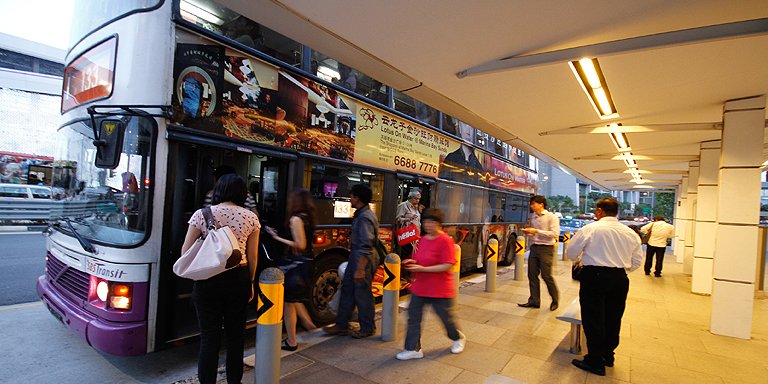
Public buses, subways, and trams are the backbone of urban mobility in most cities. These services are typically cost-effective and cover a wide range of routes, making them ideal for daily commuting. Public transit often offers scheduled timings, reducing wait times and helping passengers plan their day efficiently.
However, public transit can sometimes be crowded, especially during peak hours. Cleanliness, punctuality, and route coverage vary by city, so it’s essential to research the local transit system before committing.
Ride-Sharing and Taxi Services
Ride-sharing platforms and traditional taxis provide flexibility and door-to-door service. They are particularly useful when traveling to areas not well-served by public transit or when time is a critical factor. Many ride-sharing apps offer real-time tracking, fare estimates, and multiple vehicle options, allowing passengers to choose according to their comfort and budget.
While these services offer convenience, fares can fluctuate based on demand, and availability may be limited during peak hours or in less populated areas.
Bike and Scooter Rentals
For shorter distances or eco-conscious travelers, bike and scooter rentals offer a sustainable and efficient option. Many cities have dedicated bike lanes and rental stations, allowing you to pick up and drop off bikes or scooters at multiple locations. This mode of transportation is excellent for avoiding traffic congestion and adding a bit of exercise to your routine.
However, weather conditions, traffic safety, and personal fitness levels should be considered before opting for this mode of transportation.
Car Rentals and Car-Sharing Services
Car rentals and car-sharing services provide the independence of driving without the long-term commitment of owning a vehicle. These services are ideal for exploring the city at your own pace, carrying luggage, or traveling with family or friends. Car-sharing platforms often allow hourly rentals, giving you flexibility and control over your schedule.
The downsides include traffic congestion, parking difficulties, and additional costs for fuel and insurance. Users must also be comfortable navigating urban streets, which can be stressful in large cities.
Factors to Consider When Choosing a Service
Selecting the best city transportation services involves evaluating multiple factors to ensure convenience, safety, and value.
Cost and Affordability
Budget is often a deciding factor. Public transit usually provides the most economical option, while ride-sharing and car rentals may be costlier but offer additional convenience. Compare fares, passes, and membership options before committing to a service. Some cities offer discounted monthly or weekly passes for regular commuters, which can result in significant savings.
Reliability and Punctuality
A reliable service saves time and reduces stress. Check reviews, service ratings, and schedules to gauge how dependable a transportation option is. Delays, inconsistent routes, or unpredictable wait times can severely affect your daily plans, especially if you rely on these services for work or appointments.
Safety and Security
Safety should always be a top priority when selecting city transportation services. Public transit should maintain clean and secure stations, while ride-sharing and taxi services should verify driver credentials and offer emergency assistance features. For biking or walking, ensure that dedicated lanes and safety measures are in place to protect commuters from traffic hazards.
Convenience and Accessibility
Consider how easily you can access your chosen transportation service. Are there stations, rental points, or pick-up locations near your home or workplace? Are the services available during the hours you need them? Accessibility features for differently-abled passengers should also be a factor, ensuring inclusivity and ease of use for everyone.
Environmental Impact
For environmentally conscious travelers, eco-friendly options such as electric buses, bike-sharing programs, or hybrid ride-sharing vehicles are worth exploring. Cities are increasingly adopting sustainable transportation initiatives, which help reduce carbon footprints and promote greener urban living.
Leveraging Technology for Better Travel
Technology plays a crucial role in optimizing the use of city transportation services. Mobile apps can provide real-time updates on schedules, traffic conditions, and delays. Many apps also allow route planning, ticket purchasing, and fare tracking, making it easier to navigate the city efficiently.
Some services integrate multiple transportation modes, offering a seamless experience where you can combine public transit, ride-sharing, and bike rentals for the most efficient route. Utilizing these digital tools can save time, reduce frustration, and improve overall travel satisfaction.
Planning Your Route
Efficient route planning is key to maximizing the benefits of any city transportation service. Start by mapping your destinations and identifying the available modes of transportation. Consider factors such as travel time, transfer points, and potential delays.
For longer commutes, combining different modes—like taking a bus to a subway station, followed by a short bike ride—can be more efficient than relying on a single service. Flexibility is also important, as urban traffic and service interruptions can affect even the most carefully planned routes.
Tips for a Smoother Transportation Experience
- Start Early: Avoid peak hours when possible to reduce crowding and delays.
- Stay Informed: Use apps and local transit websites for real-time updates.
- Keep Essentials Handy: Tickets, passes, and digital payment options should be easily accessible.
- Be Flexible: Have backup options in case your preferred service is delayed or unavailable.
- Prioritize Safety: Wear helmets for biking, stay in well-lit areas, and follow traffic rules.
Conclusion
Choosing the right city transportation services requires careful consideration of your needs, budget, and preferences. By understanding the different options available—from public transit to ride-sharing, bike rentals, and car-sharing—you can make informed decisions that save time, reduce stress, and enhance your mobility. Evaluate factors like cost, reliability, safety, convenience, and environmental impact to find the best fit for your lifestyle. Leveraging technology and planning your routes effectively will further improve your urban travel experience, allowing you to navigate the city with confidence and ease.
Investing time in choosing the right transportation services is not just about convenience—it’s about creating a smoother, safer, and more enjoyable city experience, whether you are commuting daily, exploring as a visitor, or managing a busy urban lifestyle. With the right approach, moving around the city becomes less of a chore and more of an opportunity to experience everything urban life has to offer.