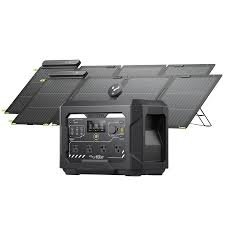
Hurricanes can cause severe weather conditions, flooding, property damage, and extended power outages. When the electrical grid goes down, having a dependable backup power source can make a major difference in maintaining communication, lighting, refrigeration, and other essential household functions. A portable power station for hurricane outages offers a convenient way to keep important devices running without relying on the electrical grid.
Unlike traditional fuel-powered generators, portable power stations typically store electricity in rechargeable batteries and can provide power through multiple output options. Understanding their features, limitations, and proper use can help households prepare more effectively for hurricane season.
What Is a Portable Power Station?
A portable power station is a rechargeable battery system designed to supply electricity when standard power is unavailable. It usually contains a large battery pack, an inverter, charging circuits, and several output ports.
Depending on the model, a power station may include:
- AC outlets for household electronics
- USB-A and USB-C ports for mobile devices
- DC outputs for compatible equipment
- A built-in display showing battery percentage and power usage
- Multiple charging methods
- Safety and battery-management systems
Some models can be recharged from a wall outlet before a storm, while others may support solar panels or vehicle charging. This flexibility makes them useful during emergency situations where grid electricity may be unavailable for an extended period.
Why Portable Power Stations Are Useful During Hurricanes
Hurricanes can leave homes without electricity for hours or even days. During an outage, electricity may be needed for communication, lighting, refrigeration, and other essential equipment.
A portable power station can help provide backup electricity for selected devices. For example, it may power smartphones, tablets, radios, LED lights, laptops, Wi-Fi equipment, and other low- to moderate-power electronics.
Another benefit is convenience. Since a portable power station stores energy in a battery, it does not require gasoline or diesel during operation. This can make it suitable for indoor use when used according to the manufacturer’s instructions, while avoiding the fuel storage and exhaust issues associated with combustion generators.
However, not every power station can operate every household appliance. Choosing a suitable capacity and output rating is therefore essential.
Choosing the Right Battery Capacity
Battery capacity is one of the most important factors to consider when selecting emergency backup power. Capacity is commonly expressed in watt-hours (Wh).
A smaller unit may be suitable for charging phones, lights, and small electronics. A larger unit can provide more stored energy and may operate higher-demand devices for longer periods.
To estimate your requirements, make a list of the equipment you expect to use during an outage. Record each device’s approximate wattage and estimate how many hours you want to operate it.
For example, if a device uses 50 watts and you want to operate it for four hours, its basic energy requirement would be approximately:
50 watts × 4 hours = 200 watt-hours
Real-world battery performance can vary because of inverter losses, battery-management systems, operating conditions, and other factors. Therefore, it is wise to leave some capacity as a reserve instead of planning to use the entire rated battery capacity.
Check the Power Output
Battery capacity is only part of the equation. You should also check the power station’s output rating.
The continuous output rating indicates how much power the unit can provide continuously. Some electrical appliances also require a higher starting surge when their motors begin operating.
Devices such as refrigerators, pumps, and certain power tools can have starting requirements significantly higher than their normal operating wattage. If you intend to connect equipment with motors or compressors, check both the appliance requirements and the power station’s continuous and surge ratings.
This helps prevent overloads and ensures the equipment is compatible with the backup system.
Charging Options for Hurricane Preparedness
A major advantage of many portable power stations is that they can be charged using different methods. Before hurricane conditions arrive, users can fully charge the battery from a standard electrical outlet.
Some systems can also support solar charging. Solar panels can be useful during prolonged outages because they may allow users to replenish the battery when sunlight is available. Charging speed depends on the panel capacity, weather conditions, battery level, and power station specifications.
Vehicle charging may also be available on some models. Having multiple charging options provides additional flexibility if the primary electricity supply remains unavailable.
Essential Devices to Power During an Outage
When electricity is limited, prioritize essential equipment rather than trying to operate everything in the home.
Common priorities include:
Communication Devices
Keeping smartphones charged can help households receive weather alerts, contact family members, and communicate with emergency services when necessary.
Lighting
LED lamps, flashlights, and rechargeable lights generally require relatively little electricity. Using efficient lighting can help conserve battery capacity.
Refrigeration
A refrigerator can help preserve food during an outage, although its power requirements and cycling behavior should be considered carefully. A sufficiently powerful portable station may operate some refrigerators for limited periods, but the exact runtime varies.
Internet and Work Equipment
For people who need connectivity, a portable power station may provide temporary electricity for routers, modems, laptops, and similar devices.
Medical and Essential Equipment
If someone in the household depends on electrically powered medical equipment, backup-power planning should be discussed with the appropriate healthcare provider and equipment manufacturer. A portable power station should not be treated as the sole emergency plan for critical medical equipment unless its compatibility and reliability have been specifically confirmed.
How to Prepare a Power Station Before a Hurricane
Preparation should begin well before severe weather arrives. First, inspect the power station and charging accessories for damage. Fully charge the battery according to the manufacturer’s instructions.
Keep the unit in an appropriate, dry location and make sure the required cables and adapters are easily accessible. If solar charging is part of your emergency plan, inspect the panels and cables as well.
It is also helpful to create a simple emergency power list. Write down which devices should be powered first and estimate their approximate energy requirements. This reduces confusion when an outage occurs.
Safety Considerations
Safety should always be a priority when using emergency power equipment. Follow the manufacturer’s instructions and never exceed the power station’s rated output.
Keep the equipment away from water, excessive moisture, and damaged electrical connections. Hurricane environments can involve flooding and wet conditions, so electrical equipment should only be used in locations where it is safe and appropriate.
Do not attempt to modify the battery, inverter, charging system, or electrical connections. Use compatible cables and accessories and stop using the equipment if it becomes damaged, unusually hot, swollen, or otherwise abnormal.
Portable battery systems should also be kept away from extreme heat and stored according to the manufacturer’s recommendations.
Portable Power Station vs. Traditional Generator
Portable power stations and traditional fuel generators serve different purposes.
A fuel generator can provide substantial power and may be suitable for running larger appliances when properly installed and operated. However, it requires fuel and produces exhaust, meaning it must be operated outdoors in a safe location away from buildings, doors, and windows.
A battery-powered portable station does not produce exhaust during operation and can be convenient for electronics and selected appliances. Its main limitation is stored battery capacity. Once the battery is depleted, it must be recharged.
For some households, the best emergency strategy may involve combining several backup methods based on their power requirements, location, and expected outage duration.
Creating a Hurricane Backup Power Plan
A portable power station becomes more useful when it is part of a broader emergency plan. Before hurricane season, identify the most important electrical devices in your household.
Separate them into essential and nonessential categories. Estimate their power requirements, determine how long they need to operate, and check whether your selected power station can handle them.
Keep phones, battery-powered lights, emergency radios, charging cables, and other supplies together in an accessible location. Monitor weather alerts and recharge the power station whenever severe weather is expected.
If solar charging is available, understand how to set it up before an emergency rather than trying to learn during a storm.
Final Thoughts
A portable power station for hurricane outages can provide valuable backup electricity for communication, lighting, refrigeration, and other essential electronics. Its rechargeable battery, multiple output ports, and optional charging methods make it a flexible addition to an emergency preparedness kit.
The key is to select a unit based on both battery capacity and output requirements. Preparing the equipment in advance, prioritizing essential devices, and following safety instructions can help households use stored power more effectively during an outage.
While no backup system can replace comprehensive hurricane preparedness, a properly selected and maintained portable power station can be an important part of a reliable emergency power strategy.