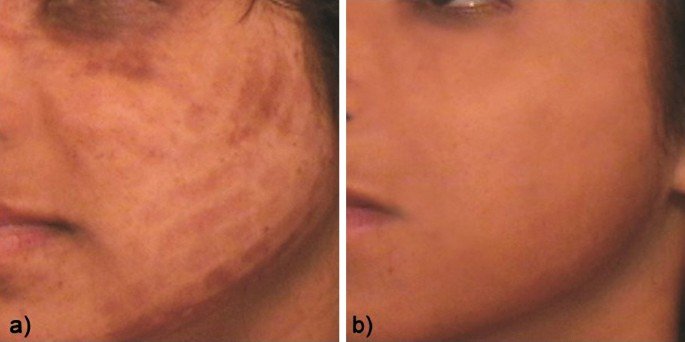
Achieving an even, radiant complexion is a common skincare goal, but stubborn dark spots, sun damage, and melasma can often stand in the way. Over-the-counter serums and creams work well for mild discoloration, but deeper or more persistent pigment concerns frequently require advanced dermatological intervention. Among the most effective professional solutions available today are Laser Treatments for Hyperpigmentation, a technologically advanced approach designed to target excess melanin at its root.
Understanding how these procedures work, what benefits they offer, and what risks are involved can help you make an informed decision about your skin health journey.
Understanding Hyperpigmentation and Its Causes
Hyperpigmentation occurs when the skin produces an excess of melanin, the pigment responsible for giving skin, hair, and eyes their color. This overproduction is usually triggered by several factors, including:
- Sun Exposure: Ultraviolet rays stimulate melanocytes, leading to sun spots, age spots, and freckles.
- Post-Inflammatory Hyperpigmentation (PIH): Acne breakouts, burns, cuts, or aggressive cosmetic procedures can leave behind dark marks as the skin heals.
- Hormonal Fluctuations: Conditions like melasma are often triggered by hormonal shifts, such as those experienced during pregnancy or through the use of birth control pills.
- Genetics: Some individuals are naturally more prone to hyperpigmentation due to their genetic makeup.
While topical treatments like vitamin C, retinoids, and hydroquinone can gradually fade these spots, they often take months to show noticeable improvement. For faster and more targeted results, many individuals turn to specialized aesthetic procedures.
The Science Behind Laser Treatments for Hyperpigmentation
At its core, Laser Treatments for Hyperpigmentation rely on the principle of selective photothermolysis. This means that a specific wavelength of light is calibrated to target a specific chromophore—in this case, melanin.
When the laser device is passed over the skin, the pigment absorbs the light energy, which rapidly converts into heat. This thermal energy shatters the concentrated melanin clusters into microscopic particles without harming the surrounding tissue. Once broken down, the body’s natural immune system—specifically white blood cells called macrophages—clears away the fragmented pigment, or the body sloughs it off as the skin naturally exfoliates.
Dermatologists utilize several types of lasers depending on the depth and type of pigmentation:
- Q-Switched Lasers: Excellent for treating superficial sun spots and stubborn tattoos by delivering high-intensity pulses of light in nanoseconds.
- Picosecond Lasers: A newer technology that delivers energy in picoseconds, causing a photoacoustic impact that shatters pigment with minimal heat risk, making it safer for a wider range of skin tones.
- Fractional Lasers: These create microscopic treatment zones, encouraging both pigment clearance and overall skin rejuvenation by boosting collagen production.
Major Benefits of Choosing Laser Therapy
Opting for Laser Treatments for Hyperpigmentation offers numerous advantages over traditional topical regimens alone.
Precision and Targeted Action
Unlike topical creams that affect the entire face or broader areas of skin, lasers can be meticulously calibrated. They target only the pigmented lesions, leaving the surrounding healthy skin completely untouched. This precision minimizes unnecessary irritation and maximizes the efficacy of the session.
Accelerated Results
While creams require daily application for months with gradual progress, professional laser sessions can dramatically reduce the appearance of dark spots in just one to a few visits. For individuals dealing with deep-seated dermal pigmentation, lasers often provide the only viable route to significant clearance.
Collagen Stimulation
Many modern aesthetic lasers do more than just break down melanin. The thermal energy delivered to the deeper layers of the dermis stimulates fibroblast activity, boosting collagen and elastin production. This results in an added bonus of smoother skin texture, reduced fine lines, and an overall more youthful glow.
Risks, Side Effects, and Safety Considerations
While modern technology has made these procedures safer than ever, Laser Treatments for Hyperpigmentation are medical procedures that carry certain risks and potential side effects. Understanding these risks is crucial for managing expectations and protecting your skin.
Common Temporary Side Effects
Immediately following a session, it is normal to experience temporary side effects that typically resolve within a few days:
- Redness and Swelling: Mild sunburn-like sensations are common immediately after treatment.
- Darkening of Spots: Pigmented lesions often turn darker (sometimes called the “coffee ground” effect) before they flake off or fade away.
- Mild Sensitivity: The treated skin may feel tender and sensitive to touch for a brief period.
Rare and Severe Risks
When performed incorrectly or on the wrong skin type, lasers can lead to complications:
- Post-Inflammatory Hyperpigmentation (PIH): Ironically, the inflammation caused by the laser can sometimes trigger more melanin production, worsening the original issue. This is especially common in darker skin tones if inappropriate wavelengths or energies are used.
- Hypopigmentation: In rare cases, the laser can destroy melanocytes entirely, leaving behind white or lighter patches of skin that may be permanent.
- Scarring or Infection: Improper aftercare or inexperienced practitioners can increase the risk of skin trauma and secondary infections.
To minimize these risks, always seek treatment from a board-certified dermatologist or a licensed, highly experienced medical aesthetician who can accurately assess your skin type and select the appropriate technology.
Expected Results, Recovery, and Long-Term Aftercare
Achieving the best possible outcome from Laser Treatments for Hyperpigmentation requires patience and diligent aftercare. Results are rarely instantaneous; while some superficial spots may flake off within a week, deeper pigmentation like melasma requires a series of sessions spaced several weeks apart.
The Recovery Process
Downtime varies depending on the type of laser used. Non-ablative or pico lasers typically involve zero social downtime, allowing you to return to daily activities immediately. More aggressive fractional or ablative lasers may require a few days of healing as the skin sheds and regenerates.
Essential Aftercare Steps
Protecting your investment and your skin requires strict adherence to post-treatment guidelines:
- Sun Protection is Non-Negotiable: UV exposure is the primary trigger for melanin production. Wearing a broad-spectrum sunscreen with an SPF of 30 or higher every single day—even indoors or on cloudy days—is mandatory to prevent the pigmentation from returning.
- Gentle Skincare: Avoid harsh physical scrubs, chemical exfoliants (like AHAs and BHAs), and retinoids for at least a week post-treatment or until your practitioner gives you the green light.
- Stay Hydrated and Soothe: Use gentle, fragrance-free moisturizers to support the skin barrier as it heals.
Final Thoughts
Hyperpigmentation can be a frustrating and stubborn skincare concern, but modern aesthetic medicine offers powerful solutions. Laser Treatments for Hyperpigmentation provide a scientifically proven method to break down unwanted melanin, speed up skin renewal, and restore a clearer, more luminous complexion. By consulting with a qualified professional, understanding the benefits and risks, and committing to rigorous sun protection, you can achieve long-lasting results and enjoy healthier, more radiant skin.