Industrial flooring, walkways, platforms, and drainage covers rely heavily on grating systems for strength, safety, and durability. Among the most widely used materials are traditional steel grating and modern fiber-reinforced plastic solutions. In recent years, the demand for corrosion-resistant and lightweight alternatives has increased significantly, bringing the role of an FRP Grating Manufacturer into the spotlight. This comparison explores how FRP grating stacks up against traditional steel grating in terms of performance, cost, durability, and application suitability.
Understanding Steel Grating and FRP Grating
Steel grating has been used for decades in industrial environments due to its high load-bearing capacity and structural strength. It is typically manufactured from carbon steel or stainless steel and is widely used in heavy-duty applications such as factories, bridges, and power plants.
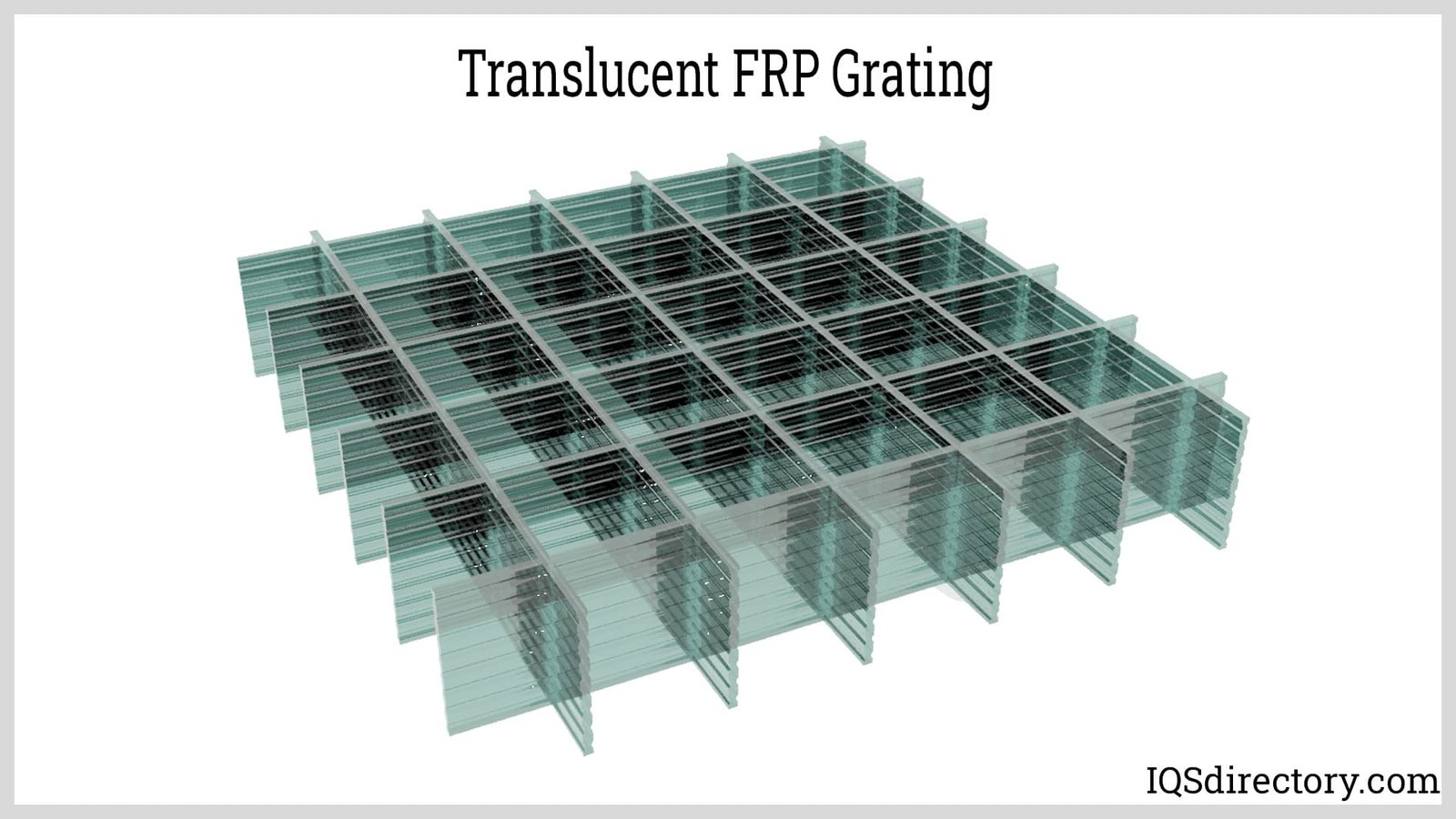
On the other hand, FRP (Fiber Reinforced Plastic) grating is a composite material made from fiberglass reinforced with resin. A modern FRP Grating Manufacturer produces these gratings using advanced molding or pultrusion processes to achieve high strength while maintaining lightweight properties. FRP grating has become increasingly popular in chemical plants, offshore platforms, and wastewater treatment facilities.
Strength and Load-Bearing Capacity
Steel grating is known for its exceptional strength and ability to withstand extremely heavy loads. It is often preferred in environments where heavy machinery and vehicles operate regularly.
FRP grating, while not as dense as steel, still offers impressive strength-to-weight ratios. A high-quality FRP Grating Manufacturer designs products that can handle significant loads suitable for pedestrian walkways, industrial flooring, and light-to-medium duty applications. However, for extremely heavy structural loads, steel still holds an advantage.
Corrosion Resistance and Environmental Performance
One of the biggest disadvantages of steel grating is its susceptibility to corrosion. Even galvanized or stainless steel can degrade over time when exposed to moisture, chemicals, or saltwater environments.
In contrast, FRP grating excels in corrosive environments. A reputable FRP Grating Manufacturer ensures that their products are resistant to acids, alkalis, salts, and industrial chemicals. This makes FRP grating ideal for chemical plants, marine environments, offshore oil rigs, and wastewater treatment facilities where steel would deteriorate quickly.
Weight and Installation Advantages
Steel grating is heavy, which increases transportation costs and makes installation more labor-intensive. It often requires machinery for lifting and positioning, especially in large projects.
FRP grating is significantly lighter, often weighing up to 70% less than steel. This advantage allows for easier handling, faster installation, and reduced labor costs. Many industries prefer working with an FRP Grating Manufacturer because their products can be installed manually without heavy lifting equipment, improving overall project efficiency.
Maintenance Requirements
Steel grating requires regular maintenance, including painting, coating, and rust prevention treatments. Without proper maintenance, its lifespan can be significantly reduced due to corrosion and wear.
FRP grating, on the other hand, is low maintenance. Since it does not rust or corrode, it retains its structural integrity over long periods with minimal upkeep. A trusted FRP Grating Manufacturer typically offers products designed for long-term durability, making them cost-effective in the long run despite higher initial investment in some cases.
Safety and Slip Resistance
Safety is a critical factor in industrial flooring. Steel grating can become slippery when wet or oily, posing safety risks in certain environments unless treated with anti-slip coatings.
FRP grating is naturally non-slip due to its molded surface design. A professional FRP Grating Manufacturer incorporates grit surfaces or textured finishes to enhance grip, making it safer for workers in wet or hazardous environments. Additionally, FRP does not conduct electricity, adding another layer of safety in electrical-sensitive areas.
Cost Comparison
At first glance, steel grating is generally less expensive than FRP grating in terms of initial material cost. This makes it attractive for projects with limited budgets.
However, when considering lifecycle costs, FRP grating often proves more economical. Reduced maintenance, longer lifespan in corrosive environments, and lower installation costs contribute to overall savings. Working with an experienced FRP Grating Manufacturer can help industries optimize long-term investment rather than focusing only on upfront costs.
Temperature and Fire Resistance
Steel performs well under high temperatures and is non-combustible, making it suitable for fire-prone environments. It maintains structural integrity even under extreme heat conditions.
FRP grating has improved significantly in fire resistance due to advancements in resin technology. Many FRP Grating Manufacturer companies now produce fire-retardant grades that comply with industrial safety standards. However, steel still has an edge in extremely high-temperature environments.
Electrical and Thermal Conductivity
Steel is both electrically and thermally conductive, which can be a disadvantage in environments where insulation is required.
FRP grating is non-conductive, making it ideal for electrical substations, power plants, and areas with high voltage equipment. A reliable FRP Grating Manufacturer designs products that eliminate the risk of electrical shock, improving workplace safety significantly.
Applications Across Industries
Steel grating is commonly used in construction, heavy industrial plants, bridges, and areas requiring maximum structural strength.
FRP grating is widely used in chemical processing plants, offshore platforms, water treatment plants, food processing units, and marine environments. The versatility provided by an FRP Grating Manufacturer allows industries to adopt customized solutions based on environmental challenges.
Durability and Lifespan
Steel grating can last many years but is highly dependent on maintenance and environmental conditions. In corrosive environments, its lifespan reduces significantly without protective coatings.
FRP grating offers superior durability in harsh environments. A well-established FRP Grating Manufacturer produces grating that can last decades without significant degradation, especially in chemically aggressive or moisture-rich environments.
Environmental Impact
Steel production involves high energy consumption and carbon emissions. Additionally, corrosion and replacement cycles can increase environmental impact over time.
FRP grating manufacturing has a lower environmental footprint in terms of long-term usage due to its longevity and reduced replacement needs. Many FRP Grating Manufacturer companies are also adopting eco-friendly resin systems to further reduce environmental impact.
Conclusion
Both steel grating and FRP grating have their own strengths and ideal applications. Steel remains the preferred choice for heavy-load and high-temperature environments due to its unmatched structural strength. However, FRP grating offers superior advantages in corrosion resistance, weight reduction, safety, and maintenance efficiency.
The growing demand for durable and cost-effective solutions has significantly increased reliance on an FRP Grating Manufacturer for modern industrial applications. In environments where corrosion, safety, and long-term performance are critical, FRP grating is rapidly becoming the preferred alternative to traditional steel systems.
Ultimately, the choice between the two depends on project requirements, environmental conditions, and long-term operational goals.