Introduction
In today’s competitive digital landscape, access to reliable search engine data is essential for building effective SEO strategies. Businesses, marketers, and agencies rely on accurate search insights to improve rankings, monitor competitors, and identify new opportunities. This is where a serp api becomes an invaluable tool. Instead of manually collecting search results, professionals can automate the process and receive structured, real-time data that supports smarter decision-making.
A modern serp api simplifies the collection of search engine results while saving time and reducing errors. Whether you are tracking keyword rankings, analyzing featured snippets, or monitoring local search performance, understanding the most valuable features can help you maximize your SEO efforts. This article explores the essential features every SEO expert should know and explains how they contribute to better search intelligence.
What Is a SERP API?
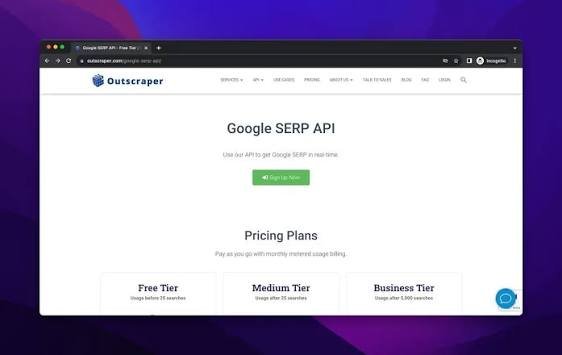
A SERP API is an application programming interface designed to retrieve search engine results in a structured format. Rather than scraping search engine pages manually, users can send requests to the API and receive organized data in formats such as JSON.
The information typically includes organic rankings, paid advertisements, featured snippets, shopping results, image packs, videos, local listings, People Also Ask sections, and much more. This structured data makes it easier for developers, marketers, and SEO professionals to integrate search insights into dashboards, reporting systems, and automation workflows.
Real-Time Search Results
One of the most valuable features of a SERP API is access to real-time search engine results. Search rankings change frequently due to algorithm updates, competitor activities, and user behavior. Having fresh data allows SEO professionals to respond quickly.
Real-time results help businesses:
- Monitor keyword ranking fluctuations.
- Detect sudden traffic changes.
- Evaluate the impact of SEO campaigns.
- Identify competitor improvements.
- React faster to algorithm updates.
Instead of waiting days for reports, SEO teams can work with up-to-date search information whenever they need it.
Accurate Keyword Tracking
Keyword tracking remains one of the foundations of successful SEO. A reliable SERP API allows experts to monitor thousands of keywords across different search engines and locations.
With automated keyword tracking, SEO professionals can:
- Measure ranking improvements.
- Compare desktop and mobile rankings.
- Identify declining keywords.
- Discover high-performing search terms.
- Generate automated ranking reports.
This level of automation significantly reduces manual effort while improving reporting accuracy.
Support for Multiple Search Engines
Although Google dominates global search, many businesses also optimize for Bing, Yahoo, Baidu, Yandex, and other search engines depending on their target audience.
An advanced SERP API supports multiple search engines, enabling businesses to gather ranking data across various platforms without using separate tools.
This flexibility is especially useful for international companies that serve customers across different countries and regions.
Geographic Location Targeting
SEO results often vary by location. Someone searching in New York may receive different results than someone searching in London or Sydney.
Location-based search support allows users to:
- Analyze city-level rankings.
- Monitor country-specific performance.
- Compare regional search visibility.
- Optimize local SEO campaigns.
- Track international search markets.
This feature is particularly valuable for businesses operating multiple locations or serving global audiences.
Mobile and Desktop Data Collection
Search results differ between desktop and mobile devices. Since mobile-first indexing has become increasingly important, tracking both environments is essential.
A quality SERP API lets users retrieve results separately for desktop and mobile searches, helping SEO professionals understand how their websites perform on different devices.
This information supports better optimization for mobile users while maintaining strong desktop performance.
Featured Snippet Monitoring
Featured snippets often appear above traditional organic search results, making them highly valuable for increasing visibility and click-through rates.
SERP APIs can identify:
- Paragraph snippets.
- List snippets.
- Table snippets.
- Video snippets.
- FAQ snippets.
Monitoring these opportunities helps businesses optimize content specifically for featured snippet placement.
Local Search Results
Local SEO continues to grow as consumers search for nearby businesses using mobile devices.
A powerful SERP API provides access to local search data including:
- Map Pack listings.
- Business names.
- Ratings.
- Reviews.
- Addresses.
- Business categories.
Local businesses can use this information to improve visibility within their service areas and outperform nearby competitors.
Competitor Analysis
SEO success depends on understanding competitors just as much as improving your own website.
Using SERP data, experts can:
- Compare keyword rankings.
- Identify competitor strengths.
- Discover new content opportunities.
- Monitor ranking changes.
- Analyze search visibility.
Competitor monitoring allows businesses to make informed strategic decisions rather than relying on assumptions.
People Also Ask Data
The People Also Ask section provides valuable insight into user intent and common search questions.
Collecting this data helps marketers:
- Create informative content.
- Build FAQ sections.
- Discover long-tail keywords.
- Improve topical authority.
- Answer customer questions more effectively.
This feature supports content marketing strategies while improving overall search visibility.
Structured JSON Responses
Developers appreciate APIs that deliver clean, structured data.
Most SERP APIs provide JSON responses that are easy to integrate into:
- SEO dashboards.
- Reporting platforms.
- Business intelligence software.
- Marketing automation tools.
- Custom web applications.
Structured responses eliminate the need for complex parsing and significantly speed up development.
High-Speed Performance
SEO professionals often process thousands of search queries daily.
Fast response times provide several benefits:
- Quicker report generation.
- Faster keyword analysis.
- Improved automation.
- Better user experiences.
- Increased operational efficiency.
High-performance APIs enable agencies and enterprises to scale their SEO operations without delays.
Scalable Infrastructure
As businesses grow, their SEO requirements increase.
A scalable SERP API supports:
- Large keyword databases.
- Multiple concurrent requests.
- Enterprise reporting.
- High-volume monitoring.
- Automated SEO systems.
Scalability ensures that organizations can continue expanding without changing their entire data collection infrastructure.
Historical Ranking Data
Tracking rankings over time provides valuable context for SEO performance.
Historical data allows professionals to:
- Measure long-term growth.
- Evaluate campaign success.
- Identify seasonal trends.
- Analyze algorithm impacts.
- Create performance reports.
Instead of relying solely on current rankings, businesses can understand how their visibility evolves over weeks, months, or years.
Search Feature Detection
Modern search engine results contain much more than organic listings.
A comprehensive SERP API can detect numerous SERP features, including:
- Featured snippets.
- Image packs.
- Video results.
- Shopping listings.
- Knowledge panels.
- News results.
- Related searches.
- People Also Ask boxes.
Tracking these elements helps SEO experts develop more complete optimization strategies.
Reliable Data Accuracy
SEO decisions depend on trustworthy information.
High-quality APIs prioritize:
- Consistent search results.
- Accurate ranking positions.
- Updated indexing.
- Reliable query handling.
- Stable performance.
Accurate data reduces reporting errors and improves confidence in strategic planning.
Easy Integration
Modern APIs are designed to integrate easily with existing software.
Developers can connect a SERP API to:
- CRM platforms.
- Marketing dashboards.
- Data warehouses.
- SEO reporting tools.
- Internal business systems.
Simple documentation and standardized endpoints reduce implementation time while improving workflow efficiency.
Automation Capabilities
Automation is one of the biggest advantages of using APIs.
SEO experts can automate:
- Daily keyword tracking.
- Competitor monitoring.
- Rank reporting.
- Search result collection.
- Performance dashboards.
- Alert notifications.
Automation minimizes repetitive tasks and allows teams to focus on strategy instead of manual data collection.
Why These Features Matter
Each feature contributes to a more effective SEO strategy. Rather than relying on incomplete or outdated information, businesses gain continuous access to valuable search intelligence.
With comprehensive SERP data, organizations can:
- Make faster SEO decisions.
- Improve ranking accuracy.
- Discover new opportunities.
- Monitor competitors efficiently.
- Optimize content based on real search behavior.
- Build scalable reporting systems.
- Enhance local and international SEO campaigns.
The combination of automation, structured data, and real-time monitoring provides a significant competitive advantage in today’s fast-moving search environment.
Conclusion
SEO continues to evolve as search engines introduce new features, ranking factors, and user experiences. Keeping pace with these changes requires accurate, timely, and scalable data collection. A reliable serp api empowers SEO professionals by delivering structured search information that supports keyword tracking, competitor analysis, local SEO, featured snippet monitoring, and automation.
Understanding these essential features allows marketers, agencies, developers, and businesses to build stronger optimization strategies while reducing manual work. As SEO becomes increasingly data-driven, leveraging the full capabilities of a serp api can improve efficiency, enhance reporting, and provide the insights needed to stay ahead in an increasingly competitive digital marketplace.