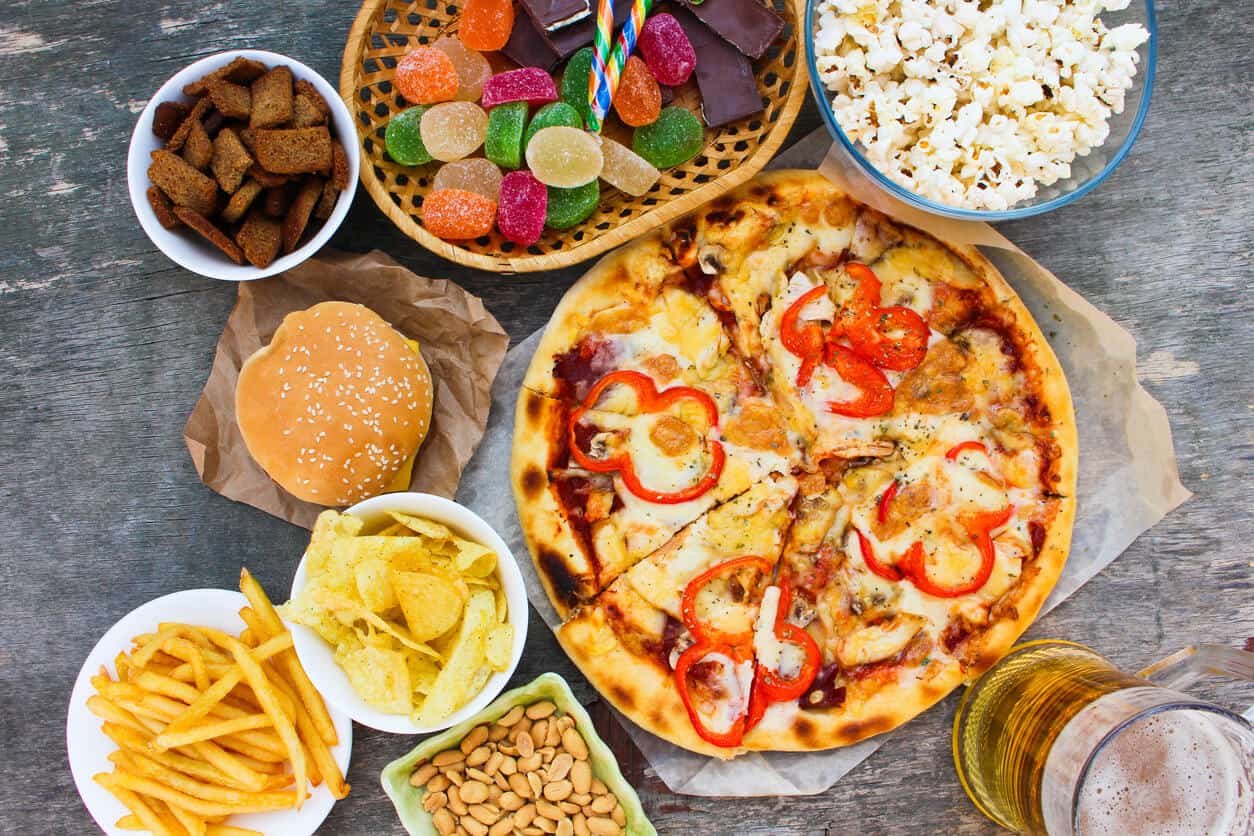
Understanding Why Certain Foods Trigger Strong Cravings
Foods that inspire cravings are not random choices your brain makes; they are deeply tied to biology, memory, and sensory stimulation. When you encounter specific smells, textures, or even sounds of food, your brain quickly evaluates whether that food is rewarding. This reward system is closely linked to dopamine release, which creates feelings of pleasure and anticipation. That is why foods that inspire cravings often feel emotionally comforting and physically satisfying at the same time.
Human appetite is influenced by survival instincts, but in modern environments it is shaped more by sensory cues than actual nutritional need. A freshly baked pastry, sizzling fried chicken, or creamy chocolate dessert can trigger strong hunger signals even when you are full. These reactions are driven by aroma compounds and textural expectations that your brain associates with enjoyment.
The Science Behind Aroma and Appetite Stimulation
Aroma is one of the most powerful triggers of appetite. Smell receptors in the nose send direct signals to the brain’s olfactory system, which is closely connected to memory and emotion centers. This is why foods that inspire cravings often have strong, recognizable scents.
For example, the smell of coffee brewing in the morning can immediately stimulate alertness and hunger. Similarly, the aroma of grilled meat or caramelized sugar activates anticipation of rich flavors. These scents do not just suggest taste; they prepare the digestive system by increasing saliva production and triggering stomach activity.
Food industries understand this connection well. Many processed foods are engineered to enhance aroma compounds so they can intensify cravings. Even before the first bite, the smell alone can influence your desire to eat more than you intended.
How Texture Shapes Eating Desire
Texture plays an equally important role in foods that inspire cravings. The mouthfeel of food determines how satisfying it feels during consumption. Humans naturally prefer a variety of textures, especially those that combine contrast such as crunchy and creamy or soft and crispy.
Crunchy foods like chips or fried snacks create an auditory and sensory response that enhances enjoyment. The sound of crunching itself signals freshness and richness. On the other hand, creamy textures like ice cream or mashed potatoes provide smoothness that feels comforting and indulgent.
Chewy textures also contribute to cravings because they prolong the eating experience. Foods like caramel, gummy candies, or freshly baked bread engage the mouth for longer periods, increasing satisfaction. When aroma and texture combine effectively, they create powerful foods that inspire cravings that are difficult to resist.
The Role of Memory and Emotional Association
Cravings are not only physical reactions; they are also deeply emotional. Many foods that inspire cravings are linked to childhood memories, cultural traditions, or personal experiences. When you smell or taste a familiar food, your brain retrieves emotional associations connected to it.
For example, homemade cookies may remind someone of family gatherings, while street food aromas may trigger memories of travel or social outings. These emotional connections increase the intensity of cravings because they go beyond hunger and tap into nostalgia and comfort.
Stress and mood also play a role. People often crave sugary or fatty foods during emotional lows because these foods activate reward pathways in the brain. This is why foods that inspire cravings are often those that provide psychological comfort rather than just physical nourishment.
Why Sugar, Fat, and Salt Intensify Cravings
From a biological perspective, the strongest foods that inspire cravings are usually high in sugar, fat, and salt. These ingredients are calorie-dense and were historically valuable for survival, so the brain is wired to seek them out.
Sugar provides quick energy and triggers dopamine release, creating a sense of pleasure. Fat adds richness and enhances mouthfeel, making foods more satisfying. Salt enhances flavor complexity and makes food more palatable overall.
When these three elements combine, they create highly rewarding eating experiences. This is why snacks like burgers, fries, pastries, and chocolate are among the most commonly craved foods. They stimulate multiple sensory systems at once, making resistance more difficult.
The Influence of Visual Presentation on Cravings
Before aroma or taste comes visual appeal. The appearance of food can significantly increase desire and expectation. Bright colors, glossy surfaces, and well-balanced plating all contribute to foods that inspire cravings.
Social media has amplified this effect. High-quality food photography and videos emphasize textures like melted cheese, dripping sauces, and layered desserts. These visuals activate the brain’s anticipation system, making viewers imagine taste and smell even without physical exposure.
Restaurants and food brands carefully design dishes to be visually appealing because they understand that cravings often begin with the eyes. A visually attractive meal can feel more flavorful even before the first bite is taken.
Environmental Triggers That Increase Appetite
Surroundings play a major role in shaping cravings. The smell of food in restaurants, bakeries, or street stalls can trigger immediate hunger responses. Even background sounds like sizzling pans or popcorn popping contribute to sensory stimulation.
Time of day also influences appetite. Many people experience stronger cravings in the evening due to natural hormonal fluctuations. Combined with exposure to appealing food cues, this can lead to increased snacking or overeating.
Social environments are equally powerful. Watching others eat or being in group dining settings can increase the desire for foods that inspire cravings, even if you were not previously hungry.
How Modern Food Design Enhances Cravings
Food scientists and chefs carefully design meals to maximize sensory appeal. They study how aroma compounds, texture combinations, and flavor layering interact to create memorable eating experiences. This is especially true in fast food and packaged snacks.
Many modern foods are engineered to hit the “bliss point,” where sweetness, saltiness, and fat content are perfectly balanced to maximize pleasure. This makes foods that inspire cravings more intense and harder to resist.
Even packaging plays a role. Crinkly wrappers, bright branding, and visual cues all contribute to anticipation before eating. Every detail is designed to stimulate the senses and increase appetite.
Balancing Cravings with Healthy Awareness
While foods that inspire cravings are enjoyable, it is important to maintain balance. Understanding how aroma and texture influence appetite can help you make more mindful eating choices. Recognizing emotional versus physical hunger is a key step in controlling overconsumption.
You do not need to avoid these foods entirely. Instead, you can enjoy them in moderation while being aware of the sensory triggers involved. Choosing healthier versions with similar textures or aromas can also satisfy cravings without excess calories.
Conclusion: The Power of Sensory-Driven Eating
Foods that inspire cravings are the result of complex interactions between aroma, texture, memory, and biology. They engage multiple senses at once, creating powerful eating experiences that go beyond simple hunger. Aroma stimulates anticipation, texture enhances satisfaction, and emotional connections deepen desire.
By understanding these influences, you can better appreciate why certain foods feel irresistible and how your environment shapes your appetite. Whether it is the smell of freshly baked bread or the crunch of a favorite snack, these sensory experiences are central to how humans enjoy food and connect with it emotionally.