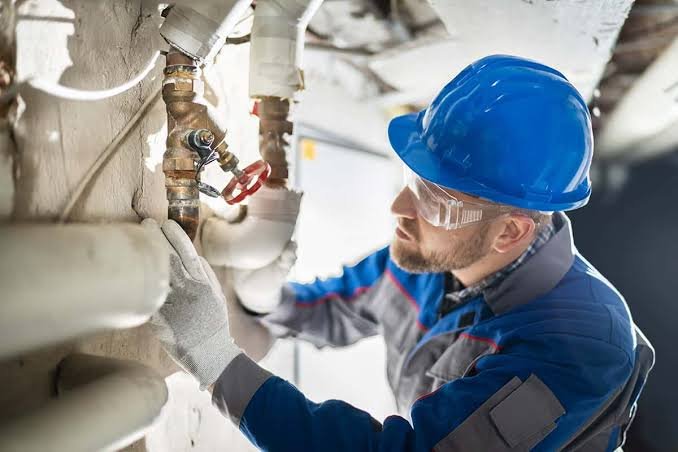
Water damage can occur unexpectedly and affect homes, offices, commercial buildings, and other properties. A burst pipe, leaking appliance, roof leak, overflowing drain, or severe water mitigation service storm can allow water to spread through walls, floors, ceilings, and structural materials. Even when the visible water appears manageable, hidden moisture can create serious problems if it is not addressed promptly. A professional water mitigation service helps property owners control the damage, reduce additional risks, and begin the recovery process before minor issues become expensive repairs.
Understanding how water mitigation works can help homeowners and business owners make informed decisions during an emergency. Professional assistance provides a structured approach to identifying moisture, removing excess water, drying affected areas, and protecting the property from secondary damage.
Understanding Water Mitigation and Its Importance
Water mitigation refers to the process of reducing the impact of water damage and preventing the affected property from deteriorating further. Unlike general cleaning, mitigation focuses on controlling moisture, identifying affected materials, and creating conditions that support safe and effective restoration.
When water enters a building, it can travel beyond the area where the leak or flooding occurred. Moisture may collect beneath flooring, inside wall cavities, around baseboards, and within insulation. If these areas remain damp, they may develop mold growth, unpleasant odors, and material deterioration.
A professional water mitigation service uses appropriate equipment and assessment methods to identify these problems. By responding quickly, technicians can limit the spread of moisture and help preserve materials that might otherwise require replacement.
Rapid Water Removal Limits Additional Damage
One of the most important steps in water mitigation is removing standing water as quickly as practical. Water can spread across rooms, seep into porous surfaces, and weaken building materials. Delayed removal increases the opportunity for moisture to reach additional areas.
Professional mitigation teams use suitable water extraction equipment to remove accumulated water from floors, carpets, and other affected surfaces. The equipment and removal methods depend on the amount of water, the materials involved, and the conditions inside the property.
Quick extraction offers several benefits. It reduces the amount of moisture that materials absorb, helps protect furniture and belongings, and prepares affected areas for the drying process. It can also reduce disruption by helping restoration work begin sooner.
However, water removal alone does not guarantee that a property is dry. Moisture can remain trapped in hidden spaces, making professional moisture assessment an important part of the process.
Preventing Mold Growth Through Effective Drying
Mold is a common concern after water damage, particularly when building materials remain damp for extended periods. Moisture, suitable temperatures, and available organic materials can create favorable conditions for mold growth. Once mold becomes established, it may affect indoor air quality and require additional remediation.
A water mitigation service helps reduce this risk by addressing moisture promptly and thoroughly. Technicians may use commercial air movers, dehumidifiers, and moisture meters to support controlled drying and monitor progress.
Different materials require different drying approaches. Carpets, drywall, wooden flooring, insulation, and masonry can absorb and release moisture at different rates. Professionals assess these differences when determining the appropriate drying strategy.
Although no service can guarantee that mold will never develop after water damage, reducing moisture and verifying drying progress can significantly lower the risk. If mold is already present, separate assessment and appropriate remediation may be necessary.
Protecting Structural Materials and Building Components
Water can affect the strength, appearance, and durability of various building materials. Wood may swell or warp, drywall can soften, flooring may separate, and metal components may become vulnerable to corrosion. Prolonged moisture exposure can also affect insulation and other materials concealed behind finished surfaces.
A professional water mitigation service helps identify affected components before the damage progresses. Technicians evaluate visible conditions and use moisture detection tools to locate areas that need further attention.
Based on the findings, they may recommend drying, monitoring, or removing materials that cannot be safely restored. The correct decision depends on the extent of the damage, the type of water involved, and the condition of the materials.
Early intervention can help preserve salvageable components and reduce unnecessary reconstruction. It also allows property owners to understand which areas need immediate attention and which can remain in place during restoration.
Identifying Hidden Moisture Before It Becomes a Bigger Problem
One challenge with water damage is that its full extent is not always visible. A ceiling may show a small stain while moisture spreads through the surrounding structure. Similarly, a leaking pipe may leave water beneath cabinets or inside wall cavities without producing obvious signs on the surface.
Professional mitigation teams use inspection methods and moisture measurement equipment to investigate these concealed areas. Thermal imaging may help identify temperature patterns associated with moisture, although additional testing is often needed to confirm the findings.
Locating hidden moisture helps prevent incomplete drying. If only the visible water is removed, damp materials may continue to deteriorate after the initial cleanup appears finished.
A thorough assessment also helps restoration professionals develop a more accurate plan, estimate the necessary work, and determine whether additional inspections or specialized services are required.
Reducing Electrical and Indoor Safety Risks
Water intrusion can create safety concerns beyond property damage. Contact between water and electrical systems may present a risk of electric shock, while contaminated floodwater can introduce harmful microorganisms and other pollutants into a building.
A reliable water mitigation service considers these risks before beginning work. If electrical systems may have been affected, qualified professionals should assess them before the area is considered safe. Property owners should avoid entering flooded spaces where electrical hazards may exist.
The source of the water also matters. Clean water from a supply line presents different concerns from sewage backups or floodwater that may contain contaminants. Depending on the situation, appropriate protective equipment, specialized cleaning, and removal of contaminated materials may be necessary.
Professional assessment helps ensure that cleanup decisions account for both the condition of the building and the safety of its occupants.
Supporting Faster and More Organized Property Restoration
Water damage can interrupt everyday life, forcing families to relocate temporarily or businesses to suspend operations. A structured mitigation process helps reduce confusion by establishing clear priorities and documenting the affected areas.
The process commonly begins with an initial inspection, followed by water extraction, moisture assessment, drying, and monitoring. Once mitigation is complete, restoration work can address damaged finishes, flooring, drywall, paint, and other building components as needed.
Good documentation is particularly useful when property owners need to communicate with insurance representatives. Photographs, moisture readings, descriptions of affected areas, and records of completed work can help explain the damage and support the claims process. Coverage ultimately depends on the insurance policy and the circumstances of the loss.
By organizing the work into manageable stages, professional mitigation helps property owners move from an emergency response toward a more complete recovery.
Helping Control Repair Costs
The cost of water damage often depends on how quickly the problem is addressed and how far the moisture spreads. A relatively small leak may initially affect only one area, but prolonged exposure can damage adjacent rooms, structural components, furniture, and personal belongings.
A water mitigation service helps control these costs by focusing on early intervention. Prompt extraction, effective drying, and accurate moisture detection can reduce the need for extensive material removal and reconstruction when conditions allow.
Professional services also help property owners prioritize essential work instead of relying on guesswork. Although mitigation has an upfront cost, addressing the problem early may prevent more expensive repairs later.
Actual savings vary according to the source of the water, the duration of exposure, the materials affected, and the severity of the incident. Nevertheless, a timely and well-managed response is an important part of limiting avoidable damage.
Choosing the Right Water Mitigation Service
Selecting a qualified provider is essential for achieving reliable results. Property owners should look for companies with relevant water damage experience, suitable equipment, clear communication practices, and documented procedures for assessing and drying affected buildings.
It is also helpful to ask about moisture monitoring, work documentation, handling of contaminated materials, and coordination with restoration contractors. A trustworthy provider should explain the recommended process, identify any limitations, and provide a clear outline of the work involved.
Availability is another important consideration because water damage emergencies may require attention outside normal business hours. However, speed should be balanced with proper safety procedures and a thorough assessment.
Property owners should also be cautious about promises that all materials can be saved. Some components may need to be removed because of contamination, deterioration, or other safety concerns.
Conclusion
A water mitigation service plays a vital role in preventing further property damage after leaks, flooding, and other water-related emergencies. Through prompt water extraction, professional drying, hidden moisture detection, and careful assessment, mitigation specialists help protect building materials and reduce the risk of secondary problems.
Early intervention can also support safer indoor conditions, limit unnecessary repair expenses, and create a more organized path toward complete restoration. While every water damage incident requires an approach suited to its specific circumstances, professional mitigation provides property owners with the knowledge, equipment, and structured response needed to address the problem effectively.
For homeowners and businesses alike, acting quickly when water damage occurs is one of the most important steps toward protecting the property, preserving valuable belongings, and reducing the long-term consequences of unexpected moisture.