Water damage can strike at any time, whether from a sudden flood, a burst pipe, or a leaking roof. For homeowners, understanding the essentials of water damage restoration is crucial to prevent long-term structural problems, protect personal belongings, and maintain a safe living environment. This guide will walk you through every step of the water damage restoration process, offering practical advice and tips to handle emergencies efficiently.
Understanding Water Damage
Water damage is not just about visible puddles or damp spots. It can seep into walls, floors, and even the foundation, causing hidden issues like mold growth, wood rot, and weakened structural integrity. The first step in water damage restoration is identifying the type and extent of the damage.
Water is classified into three categories based on contamination levels: clean water from a broken pipe or rain, gray water from appliances or washing machines, and black water from sewage or floodwaters. Each category requires a different approach in restoration to ensure safety and proper cleanup.
Immediate Actions After Water Damage
Time is critical when dealing with water damage. The faster you act, the lower the risk of permanent damage. Begin by ensuring safety: turn off electricity if water has reached outlets or electrical appliances, and evacuate areas that may be hazardous.
Next, remove standing water as quickly as possible. Small amounts can be mopped or soaked up with towels, while larger flooding requires wet/dry vacuums or professional water extraction equipment. At this stage, quick action is part of effective water damage restoration.
Drying and Dehumidification
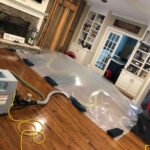
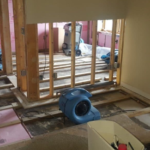
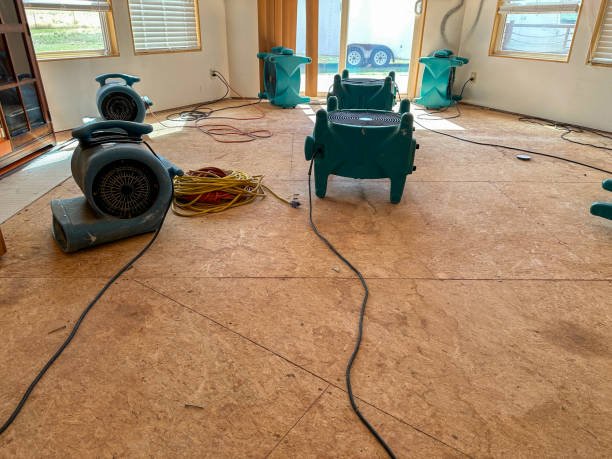
Once standing water is removed, drying the affected area is crucial. Use fans, open windows, and dehumidifiers to remove moisture from walls, floors, and furniture. This process may take several days depending on the extent of water penetration. Proper drying prevents mold growth, which can begin within 24 to 48 hours if conditions remain damp.
In water damage restoration, it’s essential to monitor humidity levels and moisture content regularly. Professionals often use moisture meters to ensure all hidden areas are completely dry. Skipping this step can result in lingering damage that is expensive to repair later.
Cleaning and Sanitizing
Water can carry contaminants, especially gray or black water. Thorough cleaning and sanitizing prevent bacteria, mold, and unpleasant odors. Remove damaged carpets, furniture, and materials that cannot be salvaged. Clean walls, floors, and personal items with appropriate disinfectants and cleaners.
Water damage restoration isn’t just about drying; it also includes restoring a safe and healthy environment. Items like clothing, upholstery, and electronics may require specialized cleaning techniques to prevent further deterioration.
Assessing Structural Damage
Water can weaken structural components of your home, including wooden beams, drywall, and flooring. Inspect the property carefully for warping, cracks, or sagging. In severe cases, professional water damage restoration experts may need to repair or replace damaged sections to maintain the building’s integrity.
Ignoring structural damage can lead to serious safety hazards over time. Homeowners should prioritize inspection and repairs immediately following water damage to minimize long-term consequences.
Mold Prevention and Remediation
Mold thrives in moist environments and can cause health issues and further property damage. As part of water damage restoration, take proactive measures to prevent mold growth. Use dehumidifiers, maintain ventilation, and remove any porous materials that remain damp.
If mold is already present, it’s often safer to hire professional remediation services. They have the proper equipment and expertise to remove mold safely and prevent it from spreading to other areas of the home.
Working with Professionals
While small-scale water damage can sometimes be handled by homeowners, significant flooding or structural damage requires professional water damage restoration services. Experts have advanced equipment for water extraction, drying, and sanitization. They can also guide you on insurance claims and provide detailed documentation of the damage.
When choosing a water damage restoration company, consider experience, certifications, and customer reviews. A reliable service will offer comprehensive solutions, from initial water extraction to full repair and restoration.
Insurance and Documentation
Water damage often involves insurance claims. Document the damage thoroughly with photos and videos, noting the type and extent of water intrusion. Keep receipts for any emergency repairs or cleaning supplies used. Insurance companies may require detailed records to process claims efficiently.
Professional water damage restoration services can provide additional documentation, including moisture readings and repair estimates, which can strengthen your claim and help cover restoration costs.
Long-Term Prevention
After restoration, it’s important to take steps to prevent future water damage. Regular maintenance of roofs, gutters, and plumbing systems can minimize the risk of leaks. Installing sump pumps in basements and using waterproofing techniques in flood-prone areas adds an extra layer of protection.
Educate family members about emergency procedures and keep a water damage response plan in place. Being prepared ensures that any future incidents can be handled quickly and efficiently, reducing potential damage.
Conclusion
Water damage restoration is a multi-step process that involves immediate action, careful drying, cleaning, structural assessment, mold prevention, and sometimes professional intervention. Homeowners who understand these steps can protect their property, safeguard their health, and reduce long-term costs associated with water damage.
By combining proactive measures with professional support when needed, you can ensure that your home recovers fully from water damage and remains a safe, comfortable place to live. Prioritizing timely action, thorough cleaning, and ongoing maintenance are the keys to successful water damage restoration.
Proper knowledge and preparation can make a stressful event manageable, allowing homeowners to restore their homes efficiently and prevent future water-related issues.