Mold growth in a home can be more than just an unsightly problem. It poses serious health risks and can damage the structural integrity of your property. Addressing mold requires timely action, expertise, and proper procedures. Hiring a professional mold clean up service ensures that your home is restored safely and effectively. This article will guide you through the essential steps involved in mold removal and highlight why professional services are critical.
Understanding Mold and Its Risks
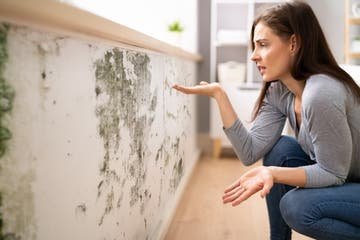
Mold is a type of fungus that thrives in moist environments. It can grow on walls, ceilings, floors, and even behind furniture if moisture is present. Some common causes of mold growth include water leaks, high humidity, poor ventilation, and flooding. Exposure to mold can lead to respiratory issues, allergies, skin irritation, and in severe cases, more serious health complications.
A professional mold clean up service identifies the type of mold and assesses the extent of contamination before beginning the restoration process. This step is crucial, as different molds require different treatments and safety precautions.
Initial Inspection and Assessment
The first step in any mold remediation process is a thorough inspection. Professionals from a mold clean up service use specialized tools to detect mold, even in hidden areas like behind walls or under flooring. This assessment determines the severity of the infestation and helps create a tailored removal plan.
During the inspection, technicians may also identify sources of moisture contributing to mold growth. Without addressing these sources, mold can quickly return even after cleanup. Fixing leaks, improving ventilation, and controlling humidity are essential preventive measures.
Containment and Safety Precautions
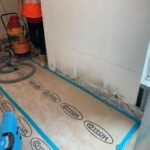
Before starting the removal process, containment is critical to prevent mold spores from spreading to unaffected areas of your home. Professional mold clean up service teams use barriers, plastic sheeting, and negative air pressure to isolate the contaminated area.
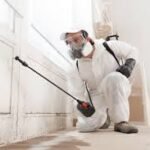
Technicians also wear protective gear, including masks, gloves, and suits, to safeguard themselves from exposure. Safety is a priority because disturbing mold without proper precautions can worsen the problem and pose health risks to occupants.
Mold Removal and Cleaning
Once the area is contained, the actual mold removal begins. The process may involve several techniques depending on the surface affected. For non-porous surfaces like tiles and countertops, cleaning with specialized fungicidal solutions can effectively remove mold. Porous materials like drywall, insulation, and carpets may need to be removed and replaced, as mold can penetrate deeply and is difficult to eliminate completely.
Professional mold clean up service providers also use HEPA vacuuming to remove airborne spores and prevent cross-contamination. This ensures that the cleaned area is safe and mold-free.
Drying and Dehumidification
Moisture control is essential to prevent mold from returning. After removing mold, professionals thoroughly dry the affected area using industrial dehumidifiers, fans, and moisture meters. The goal is to reduce humidity levels to below 60%, as mold cannot thrive in dry conditions.
A comprehensive mold clean up service ensures that every corner, including hidden spaces, is properly dried. This step is critical for the long-term prevention of mold growth.
Restoration and Repairs
Once the area is cleaned and dried, restoration begins. This may involve repairing damaged walls, replacing flooring, or repainting surfaces. Professional mold clean up service providers ensure that repairs are done using mold-resistant materials whenever possible.
Restoration is not just about aesthetics. Proper repairs also prevent future mold growth by addressing moisture-prone areas and improving ventilation. This ensures your home remains safe and healthy for occupants.
Ongoing Prevention and Maintenance
Preventing mold is as important as removing it. After a professional mold clean up service, homeowners should adopt practices to reduce moisture levels. These include fixing leaks promptly, using exhaust fans in kitchens and bathrooms, maintaining proper humidity levels, and regularly inspecting for signs of mold.
Routine cleaning and maintenance, along with proper ventilation, can significantly reduce the risk of mold returning. Professional services may also offer follow-up inspections to ensure that your home remains mold-free over time.
Benefits of Hiring a Professional Mold Clean Up Service
While some minor mold problems can be addressed with DIY methods, large infestations require professional intervention. Here’s why hiring a mold clean up service is essential:
- Expertise: Technicians are trained to identify different types of mold and apply appropriate removal techniques.
- Safety: Professionals use protective equipment and containment methods to minimize health risks.
- Efficiency: With advanced tools and knowledge, mold removal is faster and more thorough.
- Prevention: Professionals not only remove mold but also address underlying issues to prevent recurrence.
By investing in a professional service, homeowners can avoid costly repairs and health problems in the long run.
Conclusion
Mold growth in a home is a serious issue that requires prompt and effective action. Engaging a professional mold clean up service ensures that the removal process is safe, thorough, and long-lasting. From initial inspection and containment to cleaning, drying, and restoration, every step is crucial to restoring your home and safeguarding your health.
By understanding the risks of mold and following professional guidance, you can maintain a safe and healthy living environment. Prevention, combined with timely intervention, ensures that your home remains free from mold and its harmful effects.