Mold damage can be one of the most frustrating problems for homeowners. Not only does it compromise the appearance of your home, but it also poses health risks if left untreated. Efficient mold damage cleaning is essential to restore your home, protect your family, and prevent future outbreaks. This guide will provide practical tips and strategies to help you tackle mold effectively and restore your living space.
Understanding Mold and Its Impact
Mold is a type of fungus that thrives in damp and humid environments. It often appears in bathrooms, basements, kitchens, and areas with water damage. Mold not only damages surfaces like walls, ceilings, and furniture but also releases spores that can affect air quality. Common health issues related to mold exposure include allergies, respiratory problems, and skin irritation.
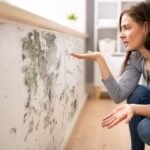
Recognizing mold damage early is crucial. Signs include visible black, green, or white spots, a musty odor, peeling paint, or warped walls. Prompt mold damage cleaning prevents these problems from worsening and protects the overall structural integrity of your home.
Preparing for Mold Damage Cleaning
Before you begin cleaning, it’s important to prepare both yourself and your home. Safety should be a top priority since mold can trigger allergic reactions or respiratory issues.
Start by wearing protective gear, including gloves, a mask, and goggles. Ensure proper ventilation in the affected area by opening windows and doors. Remove items like rugs, furniture, and curtains that may have been contaminated. These precautions reduce your risk of exposure while performing mold damage cleaning.
Identifying the Source of Moisture
Mold growth is always linked to moisture. Effective mold damage cleaning starts with identifying and eliminating the source of water. Check for leaks in roofs, walls, pipes, or windows. Look for condensation problems or poor ventilation in areas like bathrooms and basements.
Fixing the underlying moisture problem is essential. If you only clean the visible mold without addressing the source, the fungus is likely to return. Using dehumidifiers and improving airflow can also help reduce moisture levels and prevent future mold outbreaks.
Cleaning Small Areas of Mold
For minor mold infestations, you can handle the cleaning yourself. Use a mixture of water and detergent or a commercial mold cleaner to scrub affected surfaces. Be sure to clean thoroughly, removing any visible mold and stains.
Porous materials like drywall, carpets, or ceiling tiles may need to be replaced if the mold has penetrated deeply. Non-porous surfaces such as glass, metal, and plastic can usually be cleaned effectively with proper disinfecting solutions.
When performing mold damage cleaning, avoid mixing bleach with ammonia or other household chemicals, as this can produce toxic fumes. Follow instructions carefully when using commercial cleaners and ensure the area is well-ventilated during the process.
Handling Large or Severe Mold Infestations
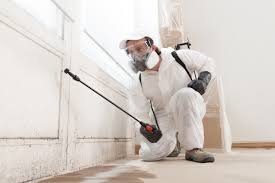
For extensive mold growth or contamination covering more than 10 square feet, professional mold remediation services are recommended. Experts have specialized equipment and techniques to remove mold safely and prevent it from spreading to other areas.
Professional mold damage cleaning involves containment, air filtration, and thorough removal of affected materials. They may also apply antimicrobial treatments to prevent regrowth. Hiring professionals ensures the job is done effectively while minimizing health risks to your family.
Preventing Mold Recurrence
After completing mold damage cleaning, it’s important to take steps to prevent future mold problems. Maintaining proper ventilation in bathrooms, kitchens, and basements is essential. Installing exhaust fans, dehumidifiers, and moisture barriers can significantly reduce humidity levels.
Regularly inspecting your home for leaks, condensation, or water damage is another effective prevention strategy. Promptly fixing plumbing issues or roof leaks will prevent moisture accumulation, which is the primary cause of mold growth. Additionally, cleaning and drying areas prone to moisture quickly helps keep mold at bay.
Using Natural Remedies for Mold Cleaning
For homeowners seeking eco-friendly options, natural remedies can also be effective in mold damage cleaning. White vinegar, baking soda, and hydrogen peroxide have antifungal properties and can clean small mold spots without harsh chemicals.
Spray the affected area with vinegar or a baking soda solution, let it sit for a few minutes, then scrub thoroughly. Hydrogen peroxide can be used on hard surfaces to remove mold stains and disinfect the area. Natural solutions are especially useful for minor infestations and areas where chemical cleaners may not be ideal.
Maintaining a Mold-Free Home
Creating a mold-free environment requires ongoing effort. Keep your home dry and well-ventilated at all times. Clean bathrooms, kitchens, and other damp areas regularly to prevent mold buildup. Use moisture absorbers in closets or areas prone to humidity.
Routine home maintenance is also critical. Inspect roofs, basements, and plumbing systems regularly to identify potential water problems before they become serious. By combining preventive measures with prompt mold damage cleaning, you can protect your home and ensure a healthy living environment for your family.
Conclusion
Mold damage cleaning is essential for both the health of your home and the well-being of its occupants. By understanding the causes of mold, addressing moisture issues, and using proper cleaning techniques, you can restore your home efficiently and prevent future infestations. Whether tackling small mold spots yourself or hiring professionals for larger problems, prompt action is key.
Taking preventive measures, maintaining a dry environment, and staying vigilant against leaks and condensation will help keep your home mold-free. With the right approach to mold damage cleaning, you can ensure a safe, healthy, and comfortable living space for years to come.