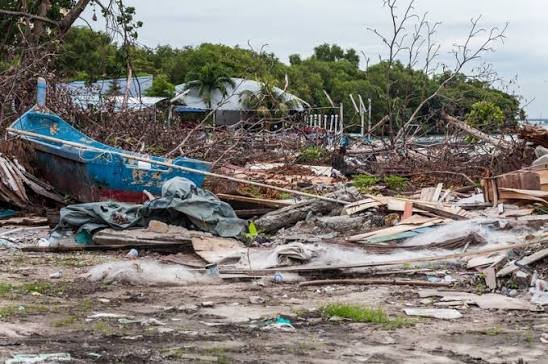
Severe flooding is one of the most destructive natural disasters a property owner can face. Within minutes, rising water can inundate homes, ruin structural materials, destroy personal belongings, and create serious health hazards. When floodwaters recede, the race against time begins. The longer water sits inside a structure, the greater the extent of permanent damage, structural weakness, and toxic mold growth. This is where professional flood cleanup services play a vital role. By deploying specialized techniques, industrial equipment, and expert knowledge, professional restoration teams prevent compounding damage and significantly reduce total property loss.
The Immediate Impact of Severe Flooding on Properties
When severe flooding occurs, water penetrates every accessible nook and cranny of a building. It soaks into porous materials like drywall, insulation, hardwood flooring, carpets, and concrete foundations. Beyond the visible standing water, moisture migrates into hidden cavities behind walls and beneath subflooring.
Floodwater is rarely clean. It often carries sewage, agricultural runoff, heavy metals, oil, and hazardous microorganisms. This contaminated water accelerates deterioration and poses severe health risks to anyone attempting DIY restoration. Without rapid intervention, structural components warp, swell, and lose their integrity, turning manageable repairs into costly structural overhauls.
Key Ways Flood Cleanup Services Minimize Property Loss
1. Rapid Water Extraction and Moisture Detection
The primary goal immediately following a flood is to remove standing water as quickly as possible. Professional flood cleanup services utilize high-powered submersion pumps and truck-mounted water extractors capable of removing thousands of gallons of water per hour. Rapid extraction stops ongoing saturation and limits water absorption into structural supports.
Equally important is detecting hidden moisture. Professional technicians use advanced diagnostic tools such as:
- Thermal imaging cameras to detect temperature variations caused by hidden moisture behind walls and ceilings.
- Moisture meters (both invasive and non-invasive) to measure moisture levels inside timber, masonry, and drywall.
- Hygrometers to gauge relative humidity levels throughout the property.
By pinpointing every hidden pocket of moisture, restoration teams ensure no water is left behind to cause secondary structural decay.
2. Preventing Mold and Microbial Growth
Mold spores begin to germinate within 24 to 48 hours in damp, humid environments. Once established, mold colonizes structural timbers, drywall, and HVAC systems, compromising air quality and causing severe material damage.
Professional flood cleanup services employ comprehensive drying and sanitization protocols to prevent mold proliferation:
- Industrial Dehumidification: LGR (Low Grain Refrigerant) and desiccant dehumidifiers lower relative humidity levels below the threshold required for mold growth.
- High-Velocity Air Movers: Strategic placement of air movers accelerates evaporation from surfaces.
- Antimicrobial Treatments: EPA-registered disinfectants and fungicides are applied to surfaces to neutralize bacteria, fungi, and viruses carried by floodwaters.
Preventing mold before it spreads saves property owners thousands of dollars in specialized mold remediation costs.
3. Preserving and Salvaging Personal Belongings
Property loss involves more than just structural damage; it also encompasses valuable personal possessions, electronics, furniture, important documents, and family heirlooms. Specialized flood cleanup services include content restoration and pack-out services designed to save items that might otherwise be discarded.
- Document and Photo Recovery: Freeze-drying techniques and specialized vacuum freeze-drying can recover water-damaged documents, books, and photographs.
- Ultrasonic Cleaning: Delicate items, electronics, and small collectibles are cleaned using high-frequency sound waves to remove contaminants.
- Textile and Soft Goods Restoration: Advanced dry cleaning and washing techniques sanitize clothing, drapes, and upholstery affected by floodwater.
By restoring rather than replacing personal property, cleanup experts drastically minimize total financial loss.
4. Structural Drying and Salvaging Building Materials
Demolishing water-damaged structures entirely is expensive and time-consuming. Experienced cleanup teams focus on selective restoration—saving as much original building material as possible through controlled structural drying.
Technicians carefully evaluate which materials can be saved:
- Hardwood Flooring: Using specialized floor mat drying systems, professionals can often extract moisture from hardwood floors without requiring complete removal.
- Framing and Studs: Structural lumber can withstand short-term water exposure if dried rapidly under controlled conditions before rot sets in.
- Concrete and Masonry: Deep drying techniques prevent structural weakening caused by moisture trapped inside porous stone and concrete.
Targeted drying preserves the existing architecture, minimizes reconstruction scope, and significantly shortens the recovery timeline.
The Risks of Delayed or DIY Flood Cleanup
Attempting to clean up after severe flooding without professional assistance often leads to incomplete drying and hidden damage. Common risks associated with DIY cleanup include:
- Secondary Damage: Trapped moisture behind baseboards and walls causes wood rot, drywall collapse, and foundation cracking weeks after the event.
- Health Hazards: Exposure to Category 3 (black water) contamination without proper Personal Protective Equipment (PPE) can cause severe respiratory, gastrointestinal, and skin infections.
- Electrical Safety Hazards: Moisture inside electrical outlets and junction boxes creates severe risk of electrical shock or fire hazards.
- Insurance Claim Denials: Failing to mitigate damage promptly can lead insurance carriers to deny coverage for secondary damage like mold or rot.
Supporting the Insurance Claims Process
Navigating insurance claims after severe flooding can be overwhelming. Professional flood cleanup services provide crucial documentation that streamlines the claims process and ensures property owners receive fair compensation for losses.
Restoration specialists document the entire process through:
- Detailed initial damage assessments and moisture mapping.
- Thermal imaging reports showing structural saturation levels.
- Itemized inventories of salvagable versus unsalvageable property.
- Comprehensive logs tracking daily drying progress and environmental conditions.
Accurate documentation prevents disputes with insurance adjusters, accelerates payout timelines, and ensures adequate funding for necessary repairs.
Conclusion
Severe flooding can cause overwhelming property destruction in a matter of hours. However, the extent of long-term damage depends largely on how quickly and effectively the response is handled. By investing in professional flood cleanup services, property owners benefit from immediate water extraction, advanced moisture detection, controlled structural drying, and expert sanitization. These critical interventions stop secondary damage, protect structural integrity, salvage personal possessions, and substantially minimize overall property loss. When disaster strikes, partnering with certified cleanup professionals is the single most effective step toward restoring safety, comfort, and peace of mind.