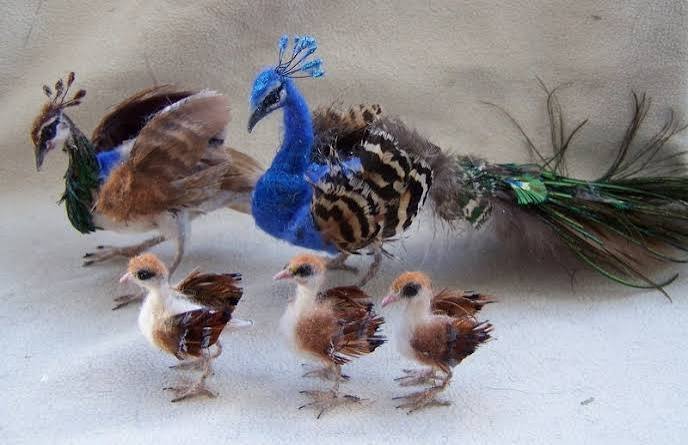
Baby peacocks, commonly called peachicks, can be an attractive addition to a spacious property, private garden, or small farm. Known for their distinctive appearance as baby peacocks for sale they mature, peafowl are admired for their colorful feathers, graceful movements, and unique personalities. However, raising these birds requires careful preparation, suitable housing, proper nutrition, and a long-term commitment. Before purchasing baby peacocks, prospective owners should understand their needs and determine whether their property can provide a safe and healthy environment.
Understanding Baby Peacocks and Their Characteristics
Peachicks are young peafowl that need specialized attention during their early stages of development. Although adult peafowl are relatively hardy when properly cared for, young birds are more vulnerable to temperature changes, poor nutrition, stress, and disease.
The term peacock refers specifically to a male bird, while peahen describes a female. Peafowl is the general term for the species, and peachick is used for a young bird of either sex. Understanding these distinctions is useful when discussing birds with breeders and deciding which ones to purchase.
Commonly kept varieties include Indian Blue peafowl and Green peafowl. Indian Blue peafowl are popular among private keepers because of their striking appearance and adaptability to suitable environments. Green peafowl have different care considerations and may be subject to additional legal restrictions, so prospective owners should research the specific variety before making a decision.
Evaluate Your Property Before Purchasing
One of the first considerations is whether your property offers enough space for peafowl to live comfortably. These birds are active and need room to walk, forage, explore, and develop natural behaviors.
A small backyard may not be suitable, particularly if the birds will remain confined throughout their lives. A larger property with a secure outdoor enclosure is generally more appropriate. The available space should accommodate shelter, feeding stations, drinking water, and protected areas where young birds can rest.
Consider the surrounding environment as well. Nearby roads, busy residential areas, and close neighbors may create challenges because adult peafowl can produce loud calls. Their movements and droppings can also affect gardens, patios, and other frequently used outdoor spaces.
Before buying peachicks, consider how their needs will change as they mature. A setup that works for several small birds may become inadequate when they reach adult size.
Choose a Reliable and Responsible Breeder
The quality and health of the birds should be major priorities when selecting a seller. A responsible breeder should be willing to explain the birds’ age, feeding routine, health history, parentage when known, and any previous veterinary care.
Ask whether the peachicks have been raised in clean conditions and whether they have been exposed to other poultry or wild birds. This information can help you assess potential health risks and prepare an appropriate care plan.
Observe the birds before purchasing whenever possible. Healthy peachicks are generally alert, responsive, and able to move normally. Their eyes should appear clear, their breathing should be comfortable, and their feathers should be reasonably clean for their age and living conditions.
Avoid buying birds that appear unusually weak, have persistent breathing difficulties, show signs of diarrhea, or struggle to stand. These observations are not a substitute for a veterinary examination, but they can indicate that further assessment is needed.
A trustworthy seller should welcome reasonable questions rather than pressure buyers into making a quick purchase.
Prepare Suitable Housing and Shelter
Proper housing is essential for the survival and development of baby peacocks. Peachicks need a clean, dry, draft-free brooder or enclosed shelter with suitable ventilation. The temperature must be appropriate for their age and feather development, with a warmer area available and enough space for them to move away from heat when necessary.
Temperature should be monitored carefully because both chilling and overheating can be dangerous. A qualified poultry veterinarian or experienced peafowl keeper can help establish an appropriate heating schedule.
As the birds grow, they will need a secure outdoor enclosure that provides protection from predators, harsh weather, and accidental escape. Strong fencing, covered sections where appropriate, and secure nighttime housing can reduce risks from dogs, foxes, and other local predators.
Adult peafowl often prefer elevated roosting places. Providing sturdy perches in suitable areas can help accommodate this natural behavior as the birds mature.
The enclosure should also include shade, weather protection, and areas for natural activity. Regular cleaning is necessary to prevent waste accumulation and maintain good hygiene.
Understand Feeding and Nutritional Requirements
Nutrition plays an important role in the healthy development of peachicks. Their dietary needs differ from those of adult peafowl, so they should not simply be fed the same mixture used for mature birds.
A suitable starter feed formulated for gamebirds or other poultry species recommended by a qualified veterinarian can provide essential protein, vitamins, and minerals. The correct formulation depends on the birds’ age and the products available locally.
Fresh drinking water must always be accessible. Water containers should be designed to reduce the risk of young birds becoming wet or trapped, and they must be cleaned regularly.
As peachicks mature, their feeding requirements change. Their diet may gradually transition to an appropriate grower feed under suitable guidance. Small amounts of suitable greens and other safe foods may supplement a balanced diet, but treats should never replace nutritionally complete feed.
Avoid feeding spoiled food, moldy grains, heavily salted scraps, or unknown plants. Clean feeding equipment regularly and store feed in a dry, protected location to prevent contamination.
Consider Health Care and Veterinary Support
Before purchasing baby peacocks, identify a veterinarian who has experience with poultry, gamebirds, or exotic birds. Access to suitable veterinary care is particularly important when raising young animals, whose health can deteriorate quickly.
Ask the breeder about previous vaccinations, parasite control, and any known health concerns. Recommendations vary according to local disease risks, bird age, and veterinary guidance, so avoid assuming that every peachick requires the same treatment.
New birds should generally be kept separate from existing poultry for an appropriate quarantine period determined with veterinary advice. This helps reduce the chance of introducing infectious diseases into an established flock.
During daily checks, observe appetite, activity, droppings, breathing, and general behavior. Changes such as reduced feeding, unusual weakness, or persistent digestive problems should be investigated promptly.
Good hygiene, clean water, appropriate nutrition, and early veterinary attention are essential parts of responsible peafowl ownership.
Check Local Laws and Ownership Requirements
Legal requirements should be investigated before purchasing peachicks. Regulations may differ depending on the country, province, municipality, and species involved.
Some areas regulate the keeping, breeding, sale, transportation, or importation of certain birds. Green peafowl, for example, may have additional protections because of their conservation status. Documentation requirements can also apply when birds cross regional or international borders.
If you live in a residential neighborhood, check property rules, local noise regulations, and any restrictions imposed by a homeowners’ association or landlord.
Confirm that the seller can provide appropriate ownership or origin documentation where required. Purchasing birds legally helps prevent future complications and supports responsible animal keeping.
Calculate the Long-Term Cost of Ownership
The purchase price is only one part of the overall expense of raising peafowl. Prospective owners should create a realistic budget covering both initial setup and ongoing care.
Initial costs may include a brooder, safe heating equipment, bedding, feeders, water containers, fencing, and predator-resistant shelter. Recurring expenses include suitable feed, cleaning materials, enclosure maintenance, and veterinary care.
Unexpected costs may arise from illness, damaged fencing, severe weather, or the need to expand the enclosure as the birds grow.
Peafowl can live for many years when properly cared for, so ownership should be viewed as a long-term responsibility rather than a short-term property enhancement. Buyers should consider whether they can maintain suitable conditions even if their circumstances change.
Decide How Many Peachicks to Buy
The number of birds you purchase should depend on your available space, experience, budget, and ability to provide individual care when necessary.
Buying several birds may seem appealing, but a larger group requires more housing, feeding space, and ongoing attention. Starting with a manageable number can make it easier for beginners to learn appropriate care routines.
Peafowl are social birds, but their compatibility depends on age, sex, individual temperament, and housing conditions. Avoid overcrowding, and introduce birds carefully when they are ready to share an enclosure.
Remember that the sex of very young peachicks may be difficult to determine accurately. If you want a particular male-to-female ratio, ask the breeder how sex has been established and understand that early identification may not always be reliable.
Conclusion
Buying baby peacocks can be a rewarding experience for property owners who are prepared to meet their needs. However, successful ownership requires much more than selecting attractive birds. Suitable housing, balanced nutrition, reliable veterinary support, legal compliance, and a realistic long-term budget are all essential considerations.
Before making a purchase, assess your property carefully, research the species, and choose a responsible breeder who prioritizes bird welfare. Prepare the enclosure and feeding arrangements in advance, and ensure that you can provide consistent care as the peachicks mature.
With thoughtful planning and responsible management, baby peacocks can develop into healthy adult birds and become a distinctive part of a suitable property for many years.