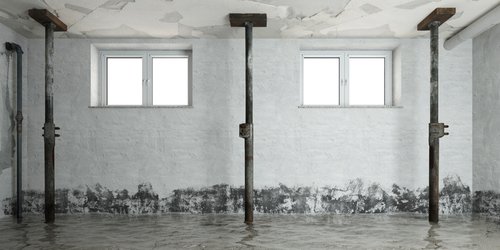
Floods can cause serious destruction to homes and commercial properties within a short period. Water intrusion can damage walls, floors, furniture, electrical systems, and personal belongings while creating conditions for mold growth and structural issues. Effective flood damage cleanup requires quick action, proper equipment, and professional strategies to minimize losses and restore the property safely. Understanding the correct steps involved in the restoration process can help property owners protect their investment and return their spaces to normal as quickly as possible.
Understanding the Impact of Flood Damage
Flood damage is more than just standing water inside a building. When water enters a property, it can penetrate building materials, weaken structures, and create hidden problems that may not appear immediately. Floors, drywall, insulation, and wooden structures can absorb moisture, leading to long-term deterioration if they are not treated properly.
A professional flood damage cleanup process focuses on removing water, drying affected areas, cleaning contaminated surfaces, and preventing future complications. Floodwater may contain bacteria, chemicals, and other harmful substances, making professional handling essential for maintaining a safe environment.
Immediate Steps After a Flood Emergency
The first few hours after a flood are critical. Quick action can significantly reduce the amount of damage and lower restoration costs. Property owners should begin by ensuring safety before entering flooded areas. Electrical hazards, unstable structures, and contaminated water can create dangerous conditions.
Once the area is safe, removing standing water becomes the priority. Professional restoration teams use advanced pumps, extraction machines, and specialized tools to remove large amounts of water efficiently. This step helps prevent additional damage and prepares the property for the drying process.
Another important step is removing damaged materials that cannot be restored. Items such as soaked carpets, damaged insulation, and severely affected drywall may need replacement to prevent mold and bacteria growth.
Professional Water Extraction and Drying Techniques
One of the most important parts of flood damage cleanup is complete moisture removal. Simply removing visible water is not enough because hidden moisture can remain behind walls, under flooring, and inside furniture. Professional restoration experts use moisture meters, air movers, and dehumidifiers to identify and eliminate trapped water.
Industrial-grade drying equipment speeds up evaporation and helps restore normal humidity levels. Proper airflow and temperature control are necessary to prevent mold development and structural damage. Professionals monitor moisture levels throughout the process to ensure that affected areas are completely dry before repairs begin.
Without proper drying methods, properties may experience recurring problems such as musty odors, weakened materials, and unhealthy indoor air quality.
Cleaning and Sanitizing Flood-Affected Areas
After water removal and drying, thorough cleaning is required. Floodwater can leave behind dirt, debris, and harmful contaminants. Professional flood damage cleanup services use specialized cleaning solutions to sanitize surfaces and reduce health risks.
Furniture, flooring, walls, and personal belongings must be carefully inspected to determine whether they can be cleaned and restored. Some materials may require specialized treatment, while others may need complete replacement.
Deep cleaning also helps remove unpleasant odors caused by moisture and contamination. Restoration professionals use deodorization methods to improve indoor air quality and make the property comfortable again.
Preventing Mold Growth After Flooding
Mold can begin developing quickly in damp environments, sometimes within 24 to 48 hours after water exposure. Preventing mold is one of the biggest priorities during flood damage cleanup. Proper drying, ventilation, and moisture control are essential for stopping mold growth.
Professional restoration teams inspect areas that are difficult to access, including behind walls, beneath floors, and inside cabinets. Early detection allows problems to be addressed before mold spreads throughout the property.
If mold has already developed, specialized removal procedures are necessary. Professional mold treatment helps protect occupants from potential health concerns and prevents further property damage.
Repairing and Restoring the Property
Once the cleaning and drying stages are complete, restoration work can begin. The goal is to return the property to its original condition as efficiently as possible. Repairs may include replacing flooring, repairing drywall, repainting walls, restoring damaged fixtures, and rebuilding affected areas.
A complete flood damage cleanup plan considers both visible damage and hidden issues. Professional contractors evaluate structural components to ensure that repairs are safe and long-lasting.
Restoration experts also help property owners identify improvements that can reduce the risk of future flooding. These improvements may include better drainage systems, waterproofing solutions, and upgraded protection measures.
Why Professional Flood Damage Cleanup Services Are Important
Many property owners attempt to handle flood cleanup themselves, but professional assistance provides several advantages. Restoration companies have the experience, equipment, and knowledge required to manage water emergencies effectively.
Professionals understand how different materials react to water exposure and know which restoration methods provide the best results. They can quickly assess damage, create an organized cleanup plan, and complete the restoration process with minimal delays.
Professional services also help reduce the chances of recurring problems. Proper water extraction, drying, and sanitation protect the property from mold, odors, and structural deterioration.
Choosing the Right Restoration Experts
Selecting a reliable restoration company is an important decision after a flood. Property owners should look for experienced professionals who provide comprehensive flood damage cleanup solutions. A trustworthy company should offer emergency response, advanced equipment, detailed inspections, and clear communication throughout the restoration process.
Experience with different types of flooding, including basement floods, storm damage, and plumbing-related water emergencies, allows restoration professionals to handle various challenges effectively.
A dependable restoration team focuses on restoring safety, comfort, and value to the property while reducing stress for homeowners and business owners.
Long-Term Protection Against Future Flood Damage
After completing the cleanup and restoration process, taking preventive measures can help reduce future risks. Regular maintenance of plumbing systems, proper drainage management, and waterproofing improvements can protect properties from future water emergencies.
Property owners should also inspect vulnerable areas regularly and address small leaks before they become major problems. Early prevention can save significant time and money while protecting the structure of the building.
A professional flood damage cleanup approach not only restores a damaged property but also provides valuable guidance for preventing future incidents.
Conclusion
Flood emergencies require immediate attention and professional solutions to prevent lasting damage. Effective flood damage cleanup involves water extraction, drying, sanitation, repairs, and preventive strategies that restore properties safely and efficiently. By using professional restoration techniques, property owners can minimize losses, protect their buildings, and create a healthier living environment. Quick response combined with expert knowledge is the key to successful flood recovery and long-term property protection.