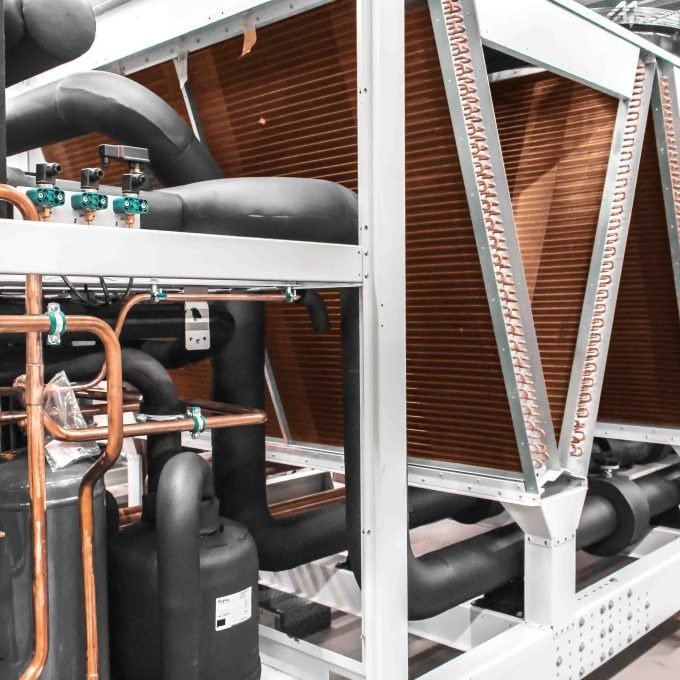
Refrigeration plays a vital role in modern life, from preserving food to supporting industrial processes. Traditionally, refrigeration systems relied on synthetic refrigerants such as hydrofluorocarbons (HFCs), which, while efficient, have significant environmental drawbacks, particularly in contributing to global warming and ozone depletion. The growing awareness of climate change and environmental sustainability has led to increased interest in refrigeration equipment with natural refrigerants as a viable and eco-friendly alternative.
The Shift from Synthetic to Natural Refrigerants
For decades, synthetic refrigerants dominated the market due to their high energy efficiency and stability. However, many of these compounds, particularly chlorofluorocarbons (CFCs) and HFCs, have high global warming potential (GWP) and, in some cases, ozone-depleting potential (ODP). The environmental regulations, such as the Montreal Protocol and the Kigali Amendment, have pushed industries to adopt alternatives with lower ecological footprints.
Natural refrigerants, including ammonia (NH3), carbon dioxide (CO2), hydrocarbons (propane, isobutane), and water, have emerged as sustainable solutions. Unlike synthetic refrigerants, these substances occur naturally, have minimal impact on the ozone layer, and significantly lower GWP. The transition to refrigeration equipment with natural refrigerants aligns with global goals to reduce greenhouse gas emissions and minimize environmental damage.
Types of Natural Refrigerants and Their Environmental Advantages
Ammonia
Ammonia is one of the oldest refrigerants in use and has a negligible GWP and zero ODP. It is highly energy-efficient, particularly in industrial refrigeration applications. However, ammonia is toxic and requires careful handling, making it more suitable for controlled industrial settings rather than residential applications. Despite safety considerations, its environmental benefits are significant because it does not contribute to climate change when released.
Carbon Dioxide
CO2, also known as R-744 in refrigeration, is non-toxic, non-flammable, and has an extremely low GWP compared to conventional HFCs. It is ideal for commercial refrigeration systems, including supermarkets and cold storage facilities. CO2-based refrigeration systems operate efficiently at higher pressures and can perform well in transcritical cycles, which is particularly beneficial in warmer climates. The environmental impact of CO2 as a refrigerant is minimal, especially when compared to high-GWP synthetic alternatives.
Hydrocarbons
Hydrocarbons such as propane (R-290) and isobutane (R-600a) are natural refrigerants with low GWP and zero ODP. They are widely used in household refrigerators, small commercial systems, and vending machines. Hydrocarbons are flammable, so system design must prioritize safety through leak detection, proper ventilation, and compliance with industry standards. When safely implemented, refrigeration equipment with natural refrigerants using hydrocarbons provides excellent environmental performance with high energy efficiency.
Water and Air
Water (R-718) and air can also serve as natural refrigerants in specific systems, particularly in absorption and evaporative cooling. While less common, they are safe and abundant, producing virtually no direct environmental harm. Their efficiency may vary depending on climate and system design, but for certain applications, they represent a sustainable, zero-emission option.
Environmental Implications of Natural Refrigerants
Reduced Global Warming Potential
One of the most significant benefits of natural refrigerants is their low GWP. For example, ammonia and CO2 have GWP values of approximately 0 and 1, respectively, compared to thousands for common HFCs. This means that even if a leak occurs, the contribution to climate change is minimal, making them a safer long-term choice for environmental sustainability.
No Ozone Depletion
Unlike CFCs and HCFCs, natural refrigerants do not deplete the ozone layer. Ammonia, CO2, and hydrocarbons are free of chlorine and bromine, which are responsible for ozone depletion in the stratosphere. This makes refrigeration equipment with natural refrigerants a more environmentally responsible option, complying with international regulations designed to protect the ozone layer.
Energy Efficiency and Indirect Impact
While natural refrigerants themselves have minimal environmental impact, energy efficiency remains a critical factor in overall sustainability. Ammonia and hydrocarbons are highly efficient, reducing electricity consumption and, by extension, the carbon footprint associated with power generation. CO2 systems, particularly in transcritical configurations, are designed to optimize energy use even in warmer conditions. This indirect environmental benefit complements the direct advantage of low GWP and zero ODP.
Safety Considerations
Although natural refrigerants offer clear environmental benefits, safety considerations are essential. Ammonia is toxic, and hydrocarbons are flammable. Proper system design, installation, and maintenance are necessary to minimize risks to humans and property. Regulatory standards, including international safety guidelines, ensure that the adoption of these refrigerants does not compromise safety while maximizing environmental benefits.
Adoption Challenges and Solutions
Transitioning to refrigeration equipment with natural refrigerants involves technical and economic challenges. Higher initial costs, system redesign, and workforce training are significant considerations. However, advancements in technology, such as compact CO2 transcritical systems and safer hydrocarbon solutions, are making adoption more feasible. Incentives, regulatory support, and growing consumer demand for eco-friendly products are also driving the market toward sustainable refrigeration.
Technical Challenges
Natural refrigerants often operate at higher pressures or require specialized components, which can complicate retrofitting existing systems. Engineers must carefully select materials, compressors, and safety mechanisms to ensure optimal performance and safety.
Economic Considerations
The upfront cost of natural refrigerant systems can be higher than traditional HFC systems. However, lower operating costs, energy efficiency, and long-term compliance with environmental regulations can offset the initial investment. Many companies are now recognizing that the environmental benefits and regulatory alignment outweigh the initial expenses.
Workforce Training
Proper handling and maintenance of systems using natural refrigerants require trained personnel. Organizations and educational institutions are increasingly offering certifications and training programs to equip technicians with the knowledge to safely manage ammonia, CO2, and hydrocarbon systems.
Global Trends and Regulatory Influence
International agreements such as the Montreal Protocol and the Kigali Amendment have significantly influenced the adoption of natural refrigerants. Many countries are phasing down HFCs and incentivizing the use of low-GWP alternatives. The market trend shows increasing deployment of refrigeration equipment with natural refrigerants in supermarkets, cold storage warehouses, industrial applications, and even residential settings. Industry leaders are actively researching innovations that improve system efficiency, reduce costs, and expand the safe use of natural refrigerants in diverse applications.
The Future of Sustainable Refrigeration
The future of refrigeration is closely tied to environmental sustainability. Natural refrigerants are at the forefront of this transition due to their low global warming potential, zero ozone-depleting potential, and high energy efficiency. Emerging technologies, such as hybrid systems combining CO2 and hydrocarbons or advanced heat pump designs, promise to further reduce the environmental footprint of refrigeration. As regulations tighten and consumers prioritize green solutions, refrigeration equipment with natural refrigerants is expected to become the standard for sustainable cooling.
In conclusion, natural refrigerants present a compelling solution to the environmental challenges posed by traditional synthetic refrigerants. By offering low GWP, zero ODP, and high energy efficiency, they align with global sustainability goals and regulatory frameworks. While adoption requires attention to safety, technical design, and initial investment, the long-term benefits—both environmental and economic—make natural refrigerants a cornerstone of future refrigeration systems. Embracing refrigeration equipment with natural refrigerants is not just an eco-friendly choice; it is an essential step toward a sustainable and responsible cooling industry.