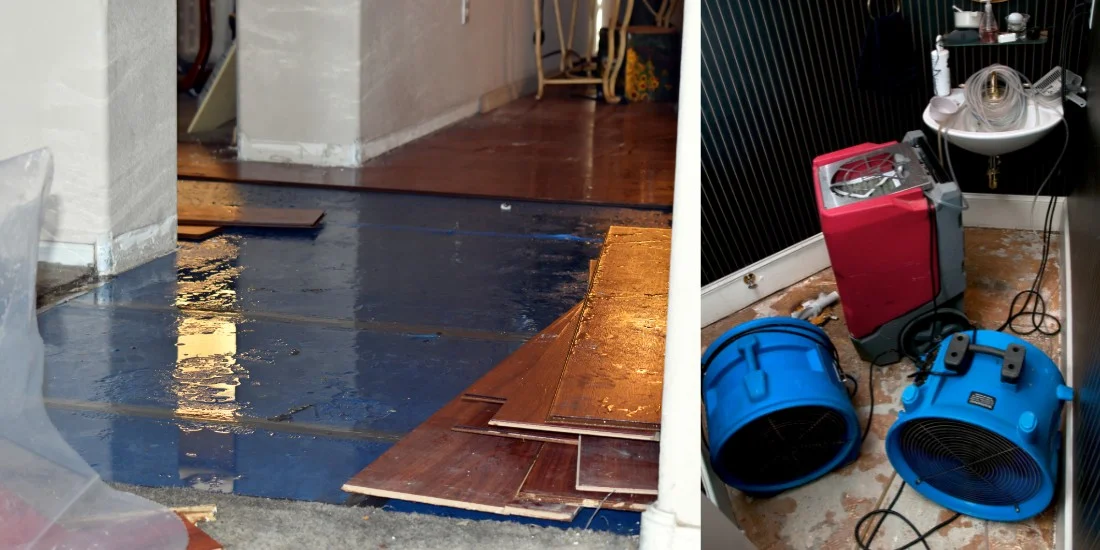
Basement flooding is one of the most stressful situations a homeowner can face. Water damage can cause structural problems, destroy personal belongings, and create a hazardous environment for health. Effective basement flood cleanup is essential to minimize long-term damage and restore safety and comfort in your home. Understanding the process can help homeowners respond promptly and take the necessary steps to protect their property.
Causes of Basement Flooding
Before diving into cleanup procedures, it is important to understand why basements flood. Flooding can occur due to various reasons including heavy rainfall, melting snow, plumbing failures, or sewer backups. Poor drainage around the foundation, clogged gutters, and basement window wells can also contribute to water intrusion. Recognizing the source of water is the first step in addressing the issue and preventing future occurrences.
Immediate Steps After Flooding
When a basement floods, time is of the essence. The first priority is safety. Electrical systems should be shut off to prevent electrocution, especially if water levels are high. If the water is contaminated, such as from a sewer backup, avoid direct contact and wear protective gear. Once it is safe to enter, documenting the damage with photos can be helpful for insurance claims. Removing valuables and essential items from the flooded area can prevent further loss.
Assessing the Extent of the Damage
After the immediate response, homeowners need to assess the level of damage. This involves checking the depth of water, identifying affected materials, and evaluating the potential for structural issues. Wet drywall, insulation, and flooring can harbor mold if not properly addressed. Additionally, appliances and electrical systems should be inspected for damage. A thorough assessment helps determine whether professional help is required for the basement flood cleanup process.
Water Removal Techniques
The next critical step in basement flood cleanup is removing the water. For small floods, a sump pump, wet/dry vacuum, or buckets may suffice. Larger floods, however, require professional-grade pumps and extraction equipment. Efficient water removal is crucial to prevent further structural damage and mold growth. It is also important to direct the water safely away from the property to avoid creating new flooding problems.
Drying and Dehumidification
Once the water is removed, the drying process begins. Simply letting the area air-dry is insufficient, as hidden moisture can lead to mold and decay. Industrial-grade fans and dehumidifiers are typically used to remove residual moisture from walls, floors, and air. Porous materials such as carpet, drywall, and insulation may need to be removed and replaced. Maintaining proper ventilation and monitoring humidity levels ensures that the basement dries completely and safely.
Cleaning and Sanitizing
Floodwater often carries bacteria, chemicals, and other contaminants, making sanitization an essential part of the basement flood cleanup process. All surfaces should be scrubbed with disinfectants to prevent mold and harmful microorganisms. Porous items that cannot be properly cleaned, such as mattresses or upholstered furniture, should be discarded. Cleaning not only restores safety but also helps reduce unpleasant odors often associated with water damage.
Mold Prevention and Remediation
Mold can begin to grow within 24 to 48 hours after flooding, making prompt action critical. After thorough drying and cleaning, treating surfaces with anti-microbial solutions can prevent mold growth. In cases of severe contamination, professional mold remediation may be required. Identifying and addressing mold early prevents long-term health issues and further damage to the property.
Repair and Restoration
Once the basement is cleaned, dried, and sanitized, the restoration process can begin. Damaged walls, flooring, and insulation may need to be replaced. Electrical systems should be inspected and repaired if affected. For homeowners looking to prevent future flooding, improvements such as installing a sump pump, waterproofing walls, or improving drainage around the foundation can be valuable investments. The goal is to restore the basement to a safe, functional, and aesthetically pleasing condition.
The Role of Professionals in Basement Flood Cleanup
While some homeowners can manage minor flooding, professional basement flood cleanup services provide specialized knowledge, equipment, and techniques to handle extensive water damage. Professionals can assess structural integrity, remove contaminated water safely, and implement thorough drying and sanitization protocols. Their expertise can also speed up insurance claims and provide peace of mind that the cleanup is completed correctly and efficiently.
Preparing for Future Flooding
Prevention is always better than recovery. Homeowners should inspect and maintain gutters, downspouts, and foundation drains regularly. Sealing cracks in the foundation and installing backflow valves can reduce the risk of water intrusion. Additionally, having a sump pump with a battery backup and a clear emergency plan ensures that minor floods do not escalate into major damage. Regular preparation can save time, money, and stress in the event of future flooding.
Conclusion
Basement flooding is a challenging experience, but understanding the process of basement flood cleanup can make the response more effective and less overwhelming. From immediate safety measures to water removal, drying, sanitization, and restoration, each step plays a crucial role in protecting your home and health. Engaging professionals for severe flooding ensures comprehensive cleanup and mitigation of long-term damage. By taking preventive measures and being prepared, homeowners can reduce the risk of future floods and maintain a safe, dry, and functional basement.