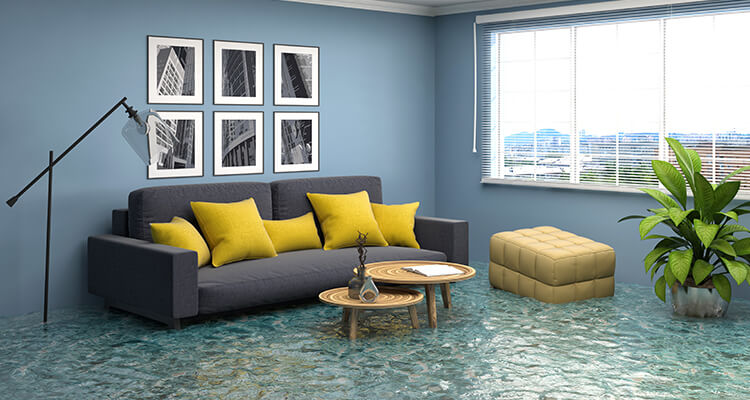
Water damage is one of the most devastating issues that homeowners and businesses can face. Whether it results from a burst pipe, flooding, or leaking appliances, the impact can be severe, affecting the structure of a property, damaging personal belongings, and even posing health risks. A key part of effective water damage management is understanding the different types of water involved in the incident. Water is categorized into three primary types—Category 1, Category 2, and Category 3—each with distinct characteristics, risks, and restoration requirements. Water Damage Restoration professionals rely on these classifications to determine the appropriate mitigation strategies, ensure safety, and prevent further damage.
Understanding Category 1 Water
Category 1 water, often referred to as “clean water,” is water from a sanitary source that does not pose significant health risks. Common sources of Category 1 water include broken water supply lines, leaking faucets, or rainwater from a clean source. This type of water is usually safe to handle, but it can become hazardous if left untreated for an extended period, as it may degrade into Category 2 or Category 3 water.
The restoration process for Category 1 water involves quick action to remove the water and dry affected areas. Water Damage Restoration professionals use pumps, wet vacuums, and air movers to extract standing water, followed by dehumidifiers to remove moisture from walls, flooring, and furniture. Since Category 1 water is clean, immediate attention can prevent contamination and minimize the risk of mold growth. Property owners are advised to act promptly, as even clean water can start to compromise structural materials within 24 to 48 hours if not properly addressed.
Understanding Category 2 Water
Category 2 water, also known as “gray water,” contains a level of contaminants that may cause illness or discomfort if ingested or exposed over time. This type of water can originate from sources such as dishwashers, washing machines, toilet overflows (without feces), or water from rain that has collected dirt or debris. Gray water is not immediately dangerous but can create a serious health risk if not handled correctly.
Water Damage Restoration professionals treat Category 2 water with more caution. They use protective equipment such as gloves and masks to prevent direct contact and inhalation of airborne contaminants. The affected area must be thoroughly cleaned and disinfected after water extraction. Materials like carpet padding, drywall, and insulation that have been heavily exposed may need to be removed and replaced to ensure proper sanitation. Quick response is critical because Category 2 water can become Category 3 water if bacteria and pathogens proliferate over time.
Understanding Category 3 Water
Category 3 water, commonly called “black water,” is the most dangerous type of water and is heavily contaminated. Sources of Category 3 water include sewage backups, floodwaters from rivers or streams, and any standing water that has come into contact with contaminated soil. Black water contains pathogens, bacteria, and other harmful substances that pose serious health risks to humans and animals. Direct exposure to Category 3 water can result in severe illness, making professional handling essential.
Water Damage Restoration involving Category 3 water requires specialized equipment, expertise, and safety protocols. Technicians must wear full protective gear, including respirators, gloves, and waterproof suits, to prevent contamination. All affected porous materials, including carpets, furniture, and drywall, often need to be discarded due to the high risk of pathogen presence. Surfaces that can be salvaged are cleaned with strong disinfectants and antimicrobial treatments to eliminate bacteria and mold spores. Restoration of areas affected by black water is a meticulous process, as improper handling can have long-term health consequences.
Differences in Restoration Approach
The differences between Category 1, 2, and 3 water significantly influence the restoration approach. Clean water incidents focus primarily on rapid drying and moisture control, with minimal removal of materials. Gray water incidents require thorough sanitation and selective removal of affected materials to prevent health risks. Black water restoration demands complete safety measures, removal of contaminated materials, and extensive disinfection to restore a safe environment. Understanding the category of water involved allows Water Damage Restoration professionals to create a tailored plan that maximizes safety and efficiency while minimizing property loss.
Preventing Escalation
A critical aspect of water damage management is preventing the escalation of water categories. Even Category 1 water can degrade into Category 2 or 3 water if left untreated. Factors such as time, temperature, and the presence of organic materials can accelerate bacterial growth and contamination. Property owners should act quickly at the first sign of water damage by shutting off the water source, removing valuables from affected areas, and contacting a Water Damage Restoration service immediately. Prompt intervention not only reduces the risk of contamination but also helps preserve structural integrity and lower overall repair costs.
Health and Safety Considerations
Understanding water categories is not only essential for property restoration but also for protecting health. Category 2 and 3 water contain bacteria, viruses, and fungi that can cause respiratory issues, skin irritation, gastrointestinal problems, and other serious health complications. Even clean water can pose indirect risks if it fosters mold growth or structural decay. Water Damage Restoration professionals are trained to identify potential hazards and implement safety measures, including proper ventilation, protective equipment, and appropriate cleaning agents. Homeowners should avoid direct contact with contaminated water and follow professional guidance to ensure a safe restoration process.
Tools and Techniques
Water Damage Restoration employs a variety of tools and techniques depending on the water category. For clean water, high-capacity pumps, wet/dry vacuums, and air movers are commonly used. Gray water incidents may require antimicrobial treatments, controlled demolition of affected materials, and specialized drying techniques. Black water restoration involves more stringent measures, including negative air pressure containment, HEPA filtration, and industrial-strength disinfectants. Advanced moisture detection tools, such as infrared cameras and hygrometers, help professionals assess the extent of damage and monitor drying progress, ensuring comprehensive restoration.
Conclusion
Water damage is a complex issue that demands careful assessment and a strategic response. Understanding the distinctions between Category 1, 2, and 3 water is essential for effective Water Damage Restoration. Clean water requires prompt removal and drying, gray water necessitates careful sanitation and selective material removal, and black water demands strict safety protocols, removal of contaminated materials, and thorough disinfection. By recognizing the type of water involved, property owners and restoration professionals can act quickly, minimize health risks, and restore affected spaces safely and efficiently. Proper knowledge, timely intervention, and professional expertise are key to managing water damage and protecting both property and well-being.