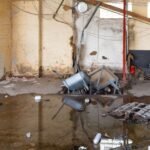
Severe storms can strike suddenly, leaving homes and businesses submerged in water and causing extensive damage. The aftermath of flooding can be overwhelming, but timely and systematic flood restoration can significantly reduce long-term damage and costs. Understanding the key steps in flood restoration helps homeowners and property managers recover more effectively and safely.
Immediate Safety Measures
The first step after a flood is ensuring safety. Floodwaters can hide electrical hazards, sharp debris, or contaminated water. Before entering a property, turn off electricity at the main breaker and avoid walking through standing water if possible. Wearing protective gear, including boots, gloves, and masks, can prevent injuries and exposure to harmful pathogens. Safety should always be prioritized before starting any cleanup or restoration efforts.
Assessing the Damage
Once it is safe to enter the property, a thorough assessment of the damage is crucial. Take note of which areas are affected, the extent of water intrusion, and any structural damage. Documenting the damage with photos or videos can be useful for insurance claims and planning the restoration process. Prioritizing areas with critical systems, such as electrical panels or heating units, ensures that essential services can be restored promptly.
Water Removal and Extraction
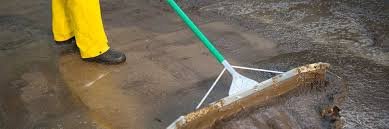
Removing standing water is one of the most important steps in flood restoration. Water left behind can cause further structural damage, promote mold growth, and degrade building materials. Using pumps, wet/dry vacuums, and professional water extraction equipment can speed up the process. In severe cases, hiring trained flood restoration professionals ensures that water removal is thorough and safe. Quick action at this stage can prevent secondary issues such as warped flooring, damaged furniture, and corroded fixtures.
Drying and Dehumidification
After extracting water, the next step is drying the affected areas. Proper drying prevents mold growth, which can start within 24 to 48 hours after flooding. High-capacity fans, dehumidifiers, and specialized air movers are typically used to remove residual moisture from walls, floors, and furniture. Opening windows and doors for ventilation can help, but in severe flooding, relying on industrial-grade drying equipment is often necessary. Monitoring moisture levels ensures that surfaces are completely dry before reconstruction or repairs begin.
Cleaning and Disinfection
Floodwaters often carry bacteria, sewage, and other contaminants. Cleaning and disinfecting all affected surfaces is essential to reduce health risks. Hard surfaces should be scrubbed with antimicrobial solutions, while carpets, rugs, and fabrics may need professional cleaning or disposal if heavily contaminated. Furniture and belongings should be evaluated for salvageability, and porous items exposed to floodwater are often best discarded to prevent mold and odors.
Mold Prevention and Remediation
Mold growth is one of the most common and dangerous consequences of flooding. Even after thorough drying, microscopic mold spores can develop on damp materials. Applying mold inhibitors and keeping the area dry and ventilated are key preventive steps. If mold is detected, professional mold remediation may be required, especially in severe infestations or when it affects structural components. Mold not only damages property but can also pose serious health risks, so addressing it promptly is a critical part of flood restoration.
Structural Repairs and Restoration
Once the property is dry and sanitized, structural repairs can begin. This may include replacing drywall, insulation, flooring, and damaged furniture. Electrical and plumbing systems should be inspected by licensed professionals to ensure they are safe to use. Reconstruction should focus on restoring functionality while incorporating materials resistant to water damage wherever possible. Planning repairs in phases—starting with critical systems and then moving to aesthetic improvements—helps streamline the restoration process.
Insurance and Documentation
Throughout the flood restoration process, keeping detailed records of damage, repairs, and expenses is essential. Most insurance policies require documentation for claims, and having thorough records can speed up compensation. Photos, receipts, and written notes of professional services used are important for substantiating claims. Communicating clearly with insurance adjusters and restoration contractors ensures that coverage and repairs proceed efficiently.
Prevention for Future Storms
After a successful flood restoration, taking steps to minimize future risk is important. Installing flood barriers, sump pumps, and proper drainage systems can help protect the property. Elevating critical equipment and using water-resistant building materials in flood-prone areas adds an extra layer of security. Understanding the local flood risk and developing an emergency plan ensures that residents are better prepared for future storms.
Hiring Professional Flood Restoration Services
Severe flooding often requires professional intervention to fully restore a property. Certified flood restoration companies have specialized equipment and expertise to handle water extraction, drying, mold remediation, and structural repairs. Hiring professionals not only accelerates the recovery process but also ensures that restoration is done safely and in compliance with industry standards. While DIY efforts can help with minor flooding, large-scale incidents benefit greatly from expert flood restoration services.
Emotional and Community Support
Recovering from a flood is not only a physical challenge but an emotional one as well. Experiencing property damage can be stressful and overwhelming. Seeking support from family, friends, or community resources can help individuals cope during the restoration process. Local organizations often provide guidance, temporary housing, and emotional support for those affected by severe storms. Engaging with community networks strengthens resilience and ensures that recovery is a shared effort.
Conclusion
Flood restoration is a complex, multi-step process that requires careful planning and execution. From immediate safety measures to long-term prevention strategies, each step plays a critical role in minimizing damage and restoring normalcy after a severe storm. Timely water removal, drying, cleaning, mold prevention, structural repairs, and professional support are essential for effective recovery. By understanding and following these key flood restoration steps, homeowners can protect their property, safeguard their health, and rebuild with confidence after the devastating effects of a storm.
Flood restoration is not just about repairing damage—it is about reclaiming safety, comfort, and peace of mind. A structured and informed approach ensures that recovery is efficient, thorough, and sustainable, helping communities bounce back stronger from nature’s unexpected challenges.