Introduction
Maintaining a clean and safe environment is important for every home, workplace, and public facility. However, some situations require much more than ordinary cleaning. Accidents, unattended deaths, infectious material contamination, and other hazardous incidents can leave bio hazard cleanup service behind biological substances that pose potential health risks. In these circumstances, a professional bio hazard cleanup service plays an essential role in restoring affected spaces to safe and usable conditions.
Biohazard cleanup involves specialized knowledge, appropriate protective equipment, regulated waste handling, and professional cleaning methods. Unlike routine housekeeping, this work requires careful assessment and a structured approach to contamination management. Understanding when specialized cleaning expertise is necessary can help property owners, businesses, and families make informed decisions during difficult situations.
What Is a Bio Hazard Cleanup Service?
A bio hazard cleanup service provides professional cleaning and decontamination for areas affected by potentially infectious or hazardous biological materials. These materials may include blood, bodily fluids, contaminated items, and certain types of biological waste.
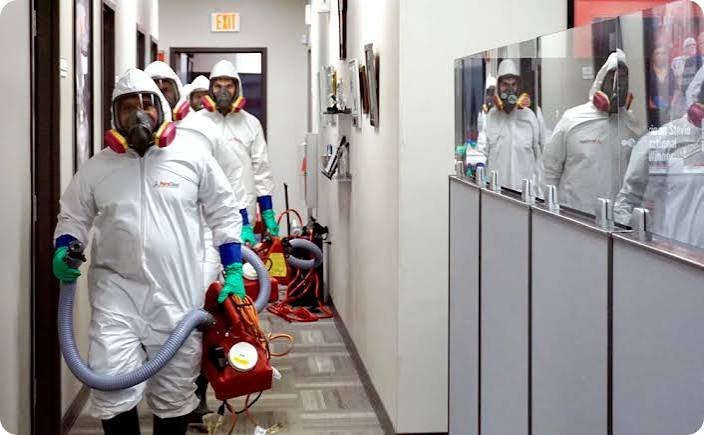
Professional cleanup teams receive training to assess contamination, select suitable protective equipment, manage affected materials, and use appropriate cleaning and disinfection procedures. Their objective is to reduce potential exposure risks and help restore the affected environment.
Common situations that may require biohazard cleanup include crime scenes, traumatic accidents, unattended deaths, certain medical incidents, and properties affected by biological contamination. The specific response depends on the nature of the incident, the materials involved, and applicable health and safety requirements.
When Is Specialized Biohazard Cleaning Essential?
1. After Accidents Involving Blood or Bodily Fluids
Accidents can occur in residential properties, commercial buildings, transportation facilities, and other environments. When blood or bodily fluids contaminate a surface, ordinary cleaning products and household equipment may not provide adequate protection.
Professional cleaners evaluate the affected area and determine the appropriate decontamination process. They also consider nearby surfaces and materials that may have been contaminated.
Hiring trained specialists helps reduce unnecessary exposure and ensures that cleanup is handled according to suitable safety procedures. This is particularly important when the contamination extends beyond a small, easily managed area.
2. Following Crime Scenes and Traumatic Incidents
Crime scenes and other traumatic incidents can leave properties with biological contamination that requires careful attention. Property owners and families may already be dealing with emotional stress, making the cleanup process especially challenging.
A professional bio hazard cleanup service can manage the cleaning responsibilities while respecting the privacy and circumstances of those affected. Specialists assess the scene, identify contaminated materials, and follow appropriate procedures for cleaning and waste disposal.
Professional assistance also helps ensure that the affected space receives the attention needed before it can be safely returned to normal use.
3. After an Unattended Death
When a person passes away and is not discovered immediately, the property may require specialized cleaning because biological materials, odors, and contamination can develop over time.
These situations often involve affected flooring, furniture, bedding, and other household materials. The extent of the cleanup depends on the circumstances and the condition of the property.
Professionals approach this work with discretion, compassion, and attention to safety. They can assess the affected areas, determine which materials require specialized treatment or removal, and recommend appropriate restoration measures.
For families and property managers, professional assistance can make a difficult process more manageable while helping protect anyone who may enter the space afterward.
4. In Healthcare and Care Facilities
Healthcare environments must maintain high standards of cleanliness to protect patients, visitors, and staff. Certain incidents involving biological contamination may require more extensive intervention than routine janitorial services can provide.
A specialized cleaning provider can support facilities when an incident requires targeted decontamination, appropriate waste management, or additional safety precautions.
Healthcare organizations should select providers who understand relevant infection prevention practices, workplace safety requirements, and applicable waste disposal regulations. Coordination with facility management is also important to ensure that the affected area is handled appropriately before normal activities resume.
5. In Properties Affected by Biological Waste
Some properties experience contamination because of unsafe storage conditions, severe neglect, or the accumulation of biological waste. These situations may create unpleasant odors, unsanitary conditions, and potential health concerns.
Professional cleaners assess the environment and develop a plan based on the level and type of contamination. Depending on the circumstances, the work may involve removing affected materials, cleaning suitable surfaces, managing waste, and coordinating additional restoration services.
A specialized approach is particularly important when contamination affects multiple rooms or involves materials that cannot be safely handled through ordinary cleaning methods.
Why Ordinary Cleaning Methods May Not Be Enough
Household cleaning is suitable for everyday dirt, dust, and many common spills. Biohazard situations, however, can present risks that are not always visible.
Biological contamination may remain on surfaces, enter porous materials, or affect areas that are difficult to inspect. Using an unsuitable cleaning method can also spread contamination or expose people to hazardous materials.
Professional biohazard cleaners understand how to assess these conditions and select appropriate procedures. They use suitable protective equipment, follow established safety practices, and determine how contaminated materials should be handled.
Another important consideration is waste disposal. Certain biological materials require specialized packaging, transportation, or disposal through authorized channels. A qualified provider understands the relevant requirements and helps ensure that these responsibilities are managed correctly.
Key Benefits of Hiring Professional Biohazard Cleaners
Improved Health and Safety
One of the main benefits of professional biohazard cleaning is the emphasis on reducing exposure risks. Trained technicians assess the situation and follow procedures designed to protect occupants, workers, and others who may enter the property.
Appropriate Equipment and Expertise
Specialized cleaning may require protective clothing, professional cleaning equipment, approved disinfectants, and suitable waste management supplies. Professional providers understand how to select and use these resources according to the circumstances.
Thorough Contamination Assessment
Contamination is not always limited to the most visible area. Experienced technicians consider surrounding surfaces and potentially affected materials when determining the scope of the work.
This assessment helps prevent important areas from being overlooked and supports a more complete restoration process.
Privacy and Compassion
Biohazard incidents can involve deeply personal and distressing circumstances. A reputable service provider understands the importance of respectful communication, discretion, and professional conduct.
This approach is valuable for families, landlords, business owners, and property managers who need practical support during a difficult period.
Support for Property Restoration
Professional cleanup can be an important step toward making a property usable again. Depending on the situation, the process may also involve repair work, replacement of damaged materials, odor treatment, or other restoration services.
Although cleanup cannot guarantee that every property can be restored without further work, expert assessment helps clarify the next steps.
How to Choose the Right Bio Hazard Cleanup Service
Selecting an appropriate provider is an important part of managing a biological contamination incident. Property owners should consider several factors before making a decision.
Training and experience: Look for a company with relevant training and experience in the specific type of cleanup required.
Safety procedures: Ask how the provider assesses contamination, protects workers and occupants, and manages potentially hazardous materials.
Licensing and compliance: Requirements vary by location and service type. Confirm that the company meets applicable licensing, occupational safety, transportation, and waste disposal requirements.
Clear communication: A professional provider should explain the proposed scope of work, expected timeline, and any limitations before beginning the project.
Insurance and documentation: Confirm appropriate insurance coverage and ask whether the company provides written records of the work performed.
Respectful service: Choose a provider that understands the sensitive nature of biohazard incidents and treats affected people and properties with care.
Comparing these factors can help property owners identify a qualified service rather than choosing solely on the basis of price.
What to Expect During the Cleanup Process
Although each situation is different, professional biohazard cleanup generally follows a structured process.
First, the service provider evaluates the affected property and identifies the nature and extent of the contamination. The team then determines the necessary precautions, protective equipment, cleaning methods, and waste management arrangements.
Next, trained technicians carry out the approved cleanup and decontamination work. Materials that cannot be appropriately cleaned may need to be removed and handled according to applicable regulations.
After the cleaning stage, the provider assesses whether additional treatment, repairs, or restoration services are required. Depending on the type of incident and the relevant standards, further verification may be appropriate before the area returns to normal use.
Property owners should avoid entering restricted or visibly contaminated areas until qualified professionals have assessed the situation. If an incident presents an immediate danger, appropriate emergency services should be contacted.
Conclusion
A bio hazard cleanup service is essential whenever biological contamination creates risks that exceed the capabilities of ordinary cleaning. From accidents and traumatic incidents to unattended deaths and contaminated properties, these situations demand specialized knowledge, suitable equipment, and responsible waste management.
Hiring trained professionals can help reduce exposure risks, support thorough decontamination, and make the restoration process more manageable. It also allows families, businesses, healthcare facilities, and property managers to focus on their immediate responsibilities while experienced technicians address the cleanup.
Choosing a qualified provider with appropriate training, clear safety procedures, regulatory awareness, and a respectful approach is an important step toward restoring a safer environment. When biological hazards are involved, professional expertise is not simply a convenience; it is an important part of responsible property care and public health protection.