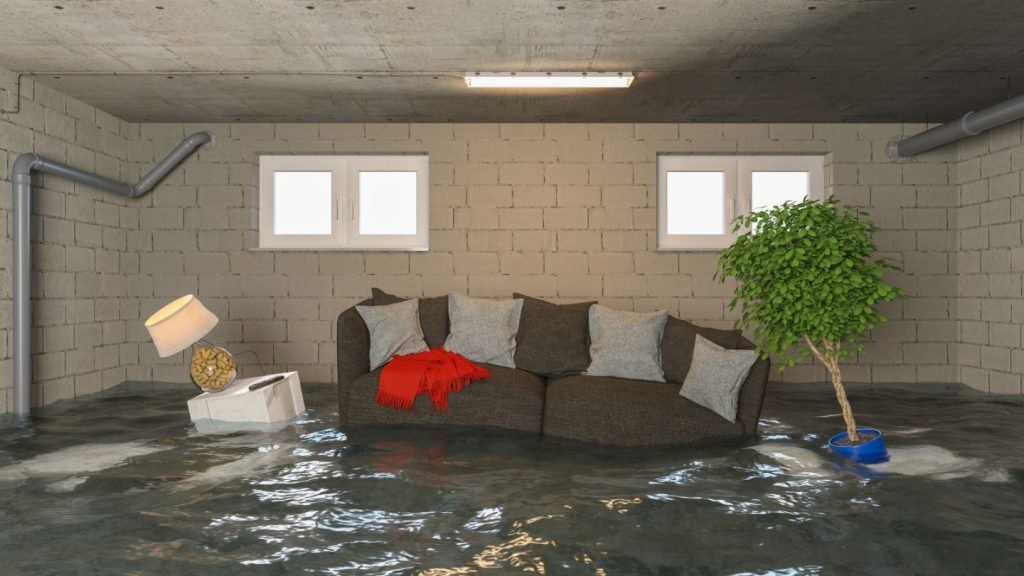
Basements are an essential part of many homes, offering storage space, extra living areas, and protection for utilities. However, they are also highly susceptible to water intrusion. Basement flooding disasters can strike unexpectedly, causing not only structural damage but also ruining personal belongings and creating long-term issues like mold growth. Understanding the causes of basement flooding and implementing preventative measures is crucial to saving homeowners thousands of dollars in repairs and maintaining a safe living environment.
Understanding Basement Flooding Disasters
Basement flooding disasters often occur due to a combination of natural and human-made factors. Heavy rainfall, snowmelt, or nearby overflowing rivers can overwhelm drainage systems and force water into basements. Aging plumbing, foundation cracks, and poor landscaping can also contribute to water seepage. In many cases, the damage isn’t immediately visible, making early detection and prevention strategies even more critical.
Water entering a basement can range from minor leaks to full-scale flooding. Even a small amount of water can damage flooring, walls, and stored items. In more severe cases, basement flooding disasters can compromise the foundation, electrical systems, and HVAC equipment, leading to significant repair costs. Recognizing the warning signs of potential flooding, such as damp walls, musty odors, or persistent water pooling, is the first step in avoiding major damage.
Common Causes of Basement Flooding Disasters
- Heavy Rainfall and Storms
Intense storms can overwhelm municipal drainage systems, causing water to back up into basements. Homes located in low-lying areas or near rivers are particularly vulnerable. - Cracks in Foundation or Walls
Even small cracks in the basement foundation can allow water to seep inside. Over time, these cracks can widen, increasing the risk of flooding. - Clogged or Ineffective Gutters and Downspouts
Gutters that are blocked with leaves or debris can cause rainwater to accumulate near the foundation, leading to water penetration. Downspouts that don’t direct water far from the home can worsen the problem. - Sump Pump Failures
Sump pumps are critical in diverting water away from basements. A malfunctioning sump pump, power outage, or poor maintenance can result in significant flooding during storms. - Sewer Backups
Heavy rainfall or blockages in the municipal sewer system can cause sewage to flow back into basements, creating both water damage and health hazards.
Preventing Basement Flooding Disasters
Proactive measures can significantly reduce the likelihood of basement flooding disasters. Homeowners should adopt a comprehensive approach that combines structural improvements, regular maintenance, and emergency planning.
Improve Drainage Around Your Home
Proper drainage is essential to prevent water from pooling around the foundation. Ensure that gutters and downspouts are clean and functioning correctly. Downspouts should direct water at least 6 feet away from the foundation. Landscaping should slope away from the house to facilitate natural drainage. Installing a French drain or exterior drainage system can also help divert water from vulnerable areas.
Seal Cracks and Waterproof the Basement
Inspect your basement walls and floors for cracks and gaps. Seal these areas with high-quality waterproofing materials. Interior and exterior waterproofing techniques can be applied, including waterproof coatings, sealants, and membranes. Basement windows and doors should also be properly sealed to prevent water infiltration. Regular inspections and timely repairs are key to avoiding basement flooding disasters.
Maintain Sump Pumps and Backup Systems
A functioning sump pump is one of the most effective defenses against basement flooding. Test your sump pump regularly and ensure it is equipped with a battery backup in case of power outages. Consider installing a secondary pump or an alarm system to alert you when water levels rise unexpectedly. Routine maintenance, such as cleaning the pump and checking for clogs, is critical to its performance.
Install Backflow Valves
Backflow valves prevent sewage from backing up into your basement during heavy rainfall or sewer system overloads. These valves are especially important in areas prone to sewer flooding. Professional installation ensures the valves function correctly and provide an added layer of protection against basement flooding disasters.
Prepare for Emergencies
Even with preventative measures, floods can still occur. Have an emergency plan in place, including a water removal strategy, insurance coverage, and a safe storage area for valuable items. Portable pumps, wet/dry vacuums, and waterproof containers can help mitigate damage if flooding occurs. Homeowners should also keep emergency contact numbers for water damage restoration professionals.
Regular Maintenance and Inspection
Consistent maintenance can prevent many common causes of basement flooding disasters. Inspecting plumbing, checking for leaks, and monitoring humidity levels can detect problems before they escalate. Seasonal checks, particularly before heavy rains or spring snowmelt, are essential. Additionally, keeping gutters, drains, and sump pumps in top condition can save thousands of dollars in potential repair costs.
Cost Implications of Basement Flooding Disasters
The financial impact of basement flooding disasters can be devastating. Even minor flooding can result in damage to flooring, drywall, furniture, and personal belongings. Mold remediation alone can be costly and time-consuming. In severe cases, structural repairs, foundation reinforcement, and electrical system replacements can add up to tens of thousands of dollars. Investing in preventative measures may seem costly initially, but it is far less expensive than repairing extensive water damage.
Homeowners’ insurance may cover certain types of water damage, but coverage often excludes flooding caused by storms or sewer backups. Understanding your policy and adding flood insurance if necessary is an important step in financial planning. Protecting your basement from flooding is not only a matter of safeguarding your home but also a way to preserve your financial well-being.
Conclusion
Basement flooding disasters pose a serious threat to homeowners, but proactive prevention can save significant stress and expense. Understanding the causes of flooding, maintaining your home’s drainage systems, sealing and waterproofing foundations, and preparing for emergencies are all critical steps. Regular maintenance, combined with a comprehensive flood prevention strategy, can protect your basement and ensure your home remains safe and dry.
Taking action before a flood occurs is the most effective way to prevent costly damage. By implementing these strategies, homeowners can minimize risk, preserve property value, and avoid the long-term consequences of basement flooding disasters.